


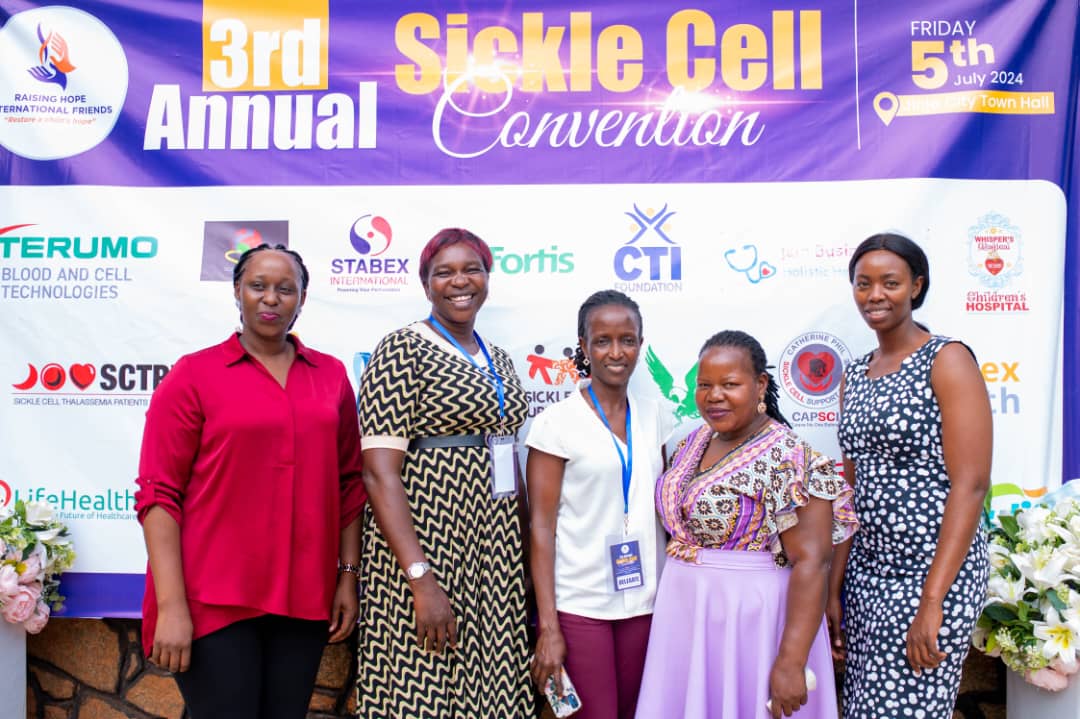

The convention organized by Raising Hope International Friends in Jinja last weekend on July 5th, 2024, presented me an opportunity to talk about the management of sickle cell disease. The symposium gathered key opinion leaders, health professionals, academicians, researchers, and Sickle Cell warriors to discuss critical issues facing individuals with sickle cell disease (SCD) in Uganda and across the continent
One of the primary topics discussed was the significant funding gaps for SCD. Despite the increasing awareness and advocacy efforts, the financial support for research, treatment, and patient care remains insufficient. This lack of funding hampers progress in developing effective treatments and support systems for those affected by SCD.
A touching observation during the convention was the reluctance of many “Warriors” – individuals living with SCD – to publicly acknowledge their condition. This hesitation often stems from the fear of stigma prevalent in various environments, including communities, schools, workplaces, and even within their own families. The widespread stigma associated with SCD prevents many from seeking the support and understanding they need, thereby intensifying their struggles.
However, the most striking discussion for me came from scientists who highlighted a critical issue in medical research. They acknowledged that most studies on SCD have been conducted on Western populations, leading to challenges in applying these findings to the African populations due to genetic differences. This stresses the need for more region-specific research that considers the unique genetic and environmental factors affecting African populations.
Dr Joseph Mulenga, a haematologist from Zambia, emphasized the importance of adopting a bio-social perspective when addressing SCD. An approach that advocates for considering the human and social dimensions of the disease, not just the biological aspects. By integrating the social context, healthcare providers can achieve better outcomes and provide more holistic care for individuals with SCD.
This convention was a significant step forward in highlighting the challenges and opportunities in the fight against sickle cell disease. Emphasising the urgent need for increased funding and awareness to combat stigma and more inclusive research practices to address the unique needs of African populations.


