

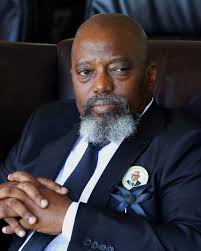
Former Congolese President Joseph Kabila has announced his return to the Democratic Republic of Congo (DRC) after years of silence and self-imposed exile, a move that is likely to reshape the country’s turbulent political landscape.

In a statement posted on X (formerly Twitter), Kabila declared, “I’m going home. After six years of silence and a year of exile, I have resolved to return to the Democratic Republic of Congo without delay. I will enter from the eastern part of our territory. The country’s situation demands it. It is time to participate, with determination, in the search for real solutions.”
Kabila’s return comes amid rising political tension and insecurity in the country, particularly in the eastern regions, where armed groups continue to wreak havoc.
The former president, who ruled from 2001 to 2019 before handing power to Félix Tshisekedi, has remained a shadowy but influential figure in Congolese politics.
Relations between Kabila and Tshisekedi have deteriorated sharply in recent years. Kabila has openly accused Tshisekedi’s administration of corruption, rampant human rights violations, and rigging elections to maintain power. Tshisekedi, on the other hand, has alleged that Kabila remains the “invisible hand” behind ongoing rebel activity, including support for the notorious M23 movement, which has been linked to brutal attacks in North Kivu and Ituri provinces.
Kabila’s decision to enter through eastern DRC is seen as highly symbolic—and provocative—given the volatility of the region and the accusations that he maintains deep ties with elements of the local armed groups.
Analysts warn that his return could inflame tensions between rival political camps and reignite suspicions about his long-term intentions.
“This is not just a homecoming. It’s a political statement,” said a Kinshasa-based political analyst.
“Kabila is positioning himself as a national savior at a time when confidence in Tshisekedi’s leadership is faltering.”
Kabila’s return is expected to send shockwaves through Congolese politics and could significantly impact the balance of power ahead of the next electoral cycle.
Whether it marks the beginning of a new political chapter or the escalation of an already volatile situation remains to be seen.
The Congolese government has yet to formally respond to Kabila’s announcement, but insiders say security forces are on high alert.
Meanwhile, supporters of the former president have begun mobilizing in parts of the country, calling for his “restoration” to leadership.


