


I wish all the clan leaders/chairpersons in Acholi follow the footsteps of this Chairman.
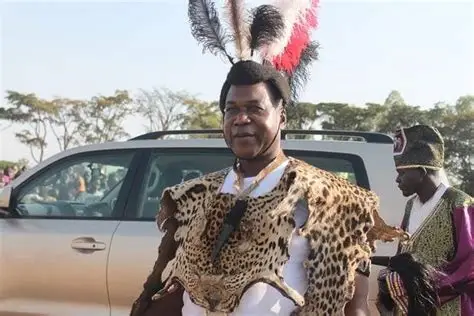
Acholi culture in Uganda is one of the most vibrant and historically rich traditions in East Africa. Rooted in centuries of history, the Acholi people have preserved their customs, values, and social systems despite challenges such as colonialism, conflict, and modernization. Their culture represents not only a way of life but also a deep sense of identity that connects generations. From traditional leadership structures to unique marriage practices, food preparation, dressing, naming, and daily living, the Acholi community stands as a symbol of resilience and cultural pride.
This article explores the origins of the Acholi, their leadership, customs, and the elements that continue to shape their everyday lives in northern Uganda.
How the Acholi Started
The Acholi are part of the Nilotic ethnic groups, believed to have migrated southwards from the Upper Nile region around the 16th century. Oral traditions suggest that their ancestors came from present-day South Sudan, blending with local communities and forming a distinct cultural identity. They established settlements in what is now the Acholi sub-region, covering districts such as Gulu, Kitgum, Lamwo, and Pader.
Historically, the Acholi organized themselves into chiefdoms governed by Rwodi (chiefs), each clan maintaining its independence but sharing common cultural values. This strong clan system not only fostered unity but also helped them withstand external pressures such as slave raids in the 18th and 19th centuries. Their identity became firmly rooted in land, community, and kinship bonds.


