THE FATHER WITHIN – Part 7
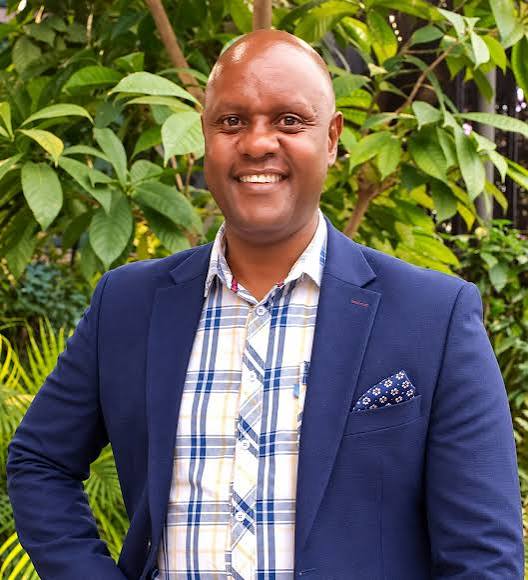
By Rev. Dr. Samuel Elijah Kibirige
Every Father carries a story into his family. Before he became a Father, he was a son. Before he began shaping the lives of his children, he had already been shaped – by family, culture, relationships, faith, hardship, expectations, disappointments and the examples of those who came before him. Some of what shaped him became strength. Some became wounds. And some became patterns he may be repeating without even realizing it.
This is why one of the most important questions a man can ask is not simply: “What kind of Father did I have?” The deeper question is:
“WHAT KIND OF FATHER AM I BECOMING?” That question changes the direction of the conversation. It moves us from examining only the Father who raised us to examining the Father our own children are experiencing.
WE ALL INHERIT SOMETHING
No man begins Fatherhood with an empty history. Some of us inherited discipline, responsibility, faith, courage, resilience, hard work and commitment to family. We may also have inherited silence, harshness, emotional distance, unresolved anger, fear, or an understanding of Fatherhood centred almost entirely on provision and authority. For many of us, the inheritance is mixed.
Maturity therefore requires more than either condemning the generation before us or romanticising it. We must learn to examine what we received with honesty and wisdom. What was good should be preserved. What was wounded should be healed. What was harmful should not automatically be inherited by another generation. This is not dishonouring our Fathers. It is taking responsibility for what passes through us to those who come after us.
EVENTUALLY, THE MIRROR MUST TURN TOWARD ME
Understanding our Fathers matters. Understanding our childhood matters. Understanding the environments that formed us matters. But there comes a point when the mirror must turn. How does my family experience me? Am I only providing, or am I also present? Can my children approach me without fear? Do I listen before I judge? Can I admit when I am wrong? Can I apologize without believing that apology diminishes my authority? Do my words strengthen the people around me – or slowly diminish them? Does my strength create security, or does it create fear?
These are not questions of condemnation. They are questions of growth. Because Fatherhood is more than a title a man carries.
FATHERHOOD IS AN EXPERIENCE WE CREATE IN THE LIVES OF OTHERS. Our families experience our presence, our absence, our words, our silence, our affection, our anger, our discipline, our values and our choices. And sometimes what they experience may be different from what we intended.
GOOD INTENTIONS ARE NOT ALWAYS THE SAME AS GOOD IMPACT
A Father may intend to teach strength while unintentionally teaching emotional silence. He may intend to teach discipline while unintentionally producing fear. He may work tirelessly to provide for his children while failing to notice that they are also longing for his attention. He may believe that everything he does is motivated by love while those closest to him struggle to recognize that love in the way they experience him. This does not necessarily make him a bad Father. But it does invite an important question: “Is the love I intend to give becoming the love my family can actually experience?” That question requires humility. It also creates an opportunity for growth.
A MAN CANNOT CHANGE EVERYTHING HE INHERITED, BUT HE CAN BECOME INTENTIONAL ABOUT WHAT HE PASSES ON.
FATHERHOOD IS GENERATIONAL STEWARDSHIP
Every generation receives something. Every generation also passes something forward. The question is whether we will pass everything forward unchanged. Perhaps you rarely heard the words: “I love you.” You can begin saying them. Perhaps apologies were rare in your home. You can learn to apologize. Perhaps difficult emotions were never discussed. You can create room for honest conversation. Perhaps men were expected to carry every burden silently. You can learn that asking for wise help does not make a man weak. And perhaps your Father gave you faith, discipline, courage, sacrifice, resilience and responsibility. Preserve them. Celebrate them. Pass them on.
Transformation does not require us to reject everything behind us. It requires the wisdom to determine: What should continue? What should be strengthened? What needs healing? And what should stop with me?
FOUR QUESTIONS EVERY FATHER SHOULD ASK
Every Father – and every man preparing for Fatherhood – should occasionally find a quiet moment and ask: What good did I receive that I want to preserve? What did I need but did not receive enough of? What pattern should not pass through me into another generation? What kind of Father am I intentionally becoming?
These are not questions to answer for public approval. They are questions to answer truthfully before ourselves, before those we love and, for those of us who believe, before God. Sometimes one honest answer can expose a pattern. Sometimes it can begin a conversation. Sometimes it can produce an apology. And sometimes it can alter the direction of a family.
WE ARE NOT ONLY PRODUCTS OF THE PAST
Our history matters, but it does not have to have the final word over our Fatherhood. We are shaped by what came before us, but we also participate in shaping what comes after us. What we heal matters. What we preserve matters. What we change matters. What we model matters. And what our children eventually carry into their own relationships, families and communities matters. This is where Fatherhood becomes bigger than the individual man. It becomes generational.
So perhaps the most important question is no longer only: “What did my Father give me?” It is: “WHAT WILL MY CHILDREN RECEIVE THROUGH ME?” Will they inherit only my possessions – or also my values? Will they remember only what I provided – or also how I made them feel? Will they inherit my unresolved wounds – or the evidence that I confronted them? Will they merely know that I was their Father – or will they carry something from my Fatherhood that helps them become healthier men, women, husbands, wives, parents and citizens?
That is the deeper responsibility of Fatherhood. We may not be able to rewrite the home we came from. But we can participate in shaping the home our children will remember. We may not be responsible for every wound we received. But we can become responsible for what we do with those wounds. And we do not have to become perfect Fathers before transformation begins. We need to become honest enough to look inward, humble enough to learn, courageous enough to change, and intentional enough to build differently. That is where reflection becomes responsibility. That is where responsibility becomes transformation. And that is how one man’s inner journey can begin changing the inheritance of another generation.
LET US UNDERSTAND THE MAN.
LET US BUILD THE FATHER WITHIN US.
LET US FATHER OUR CHILDREN.
REAL FATHERS. STRONGER FAMILIES. BRIGHTER TOMORROWS.
Rev. Dr. Samuel Elijah Kibirige
The Father Within Movement