
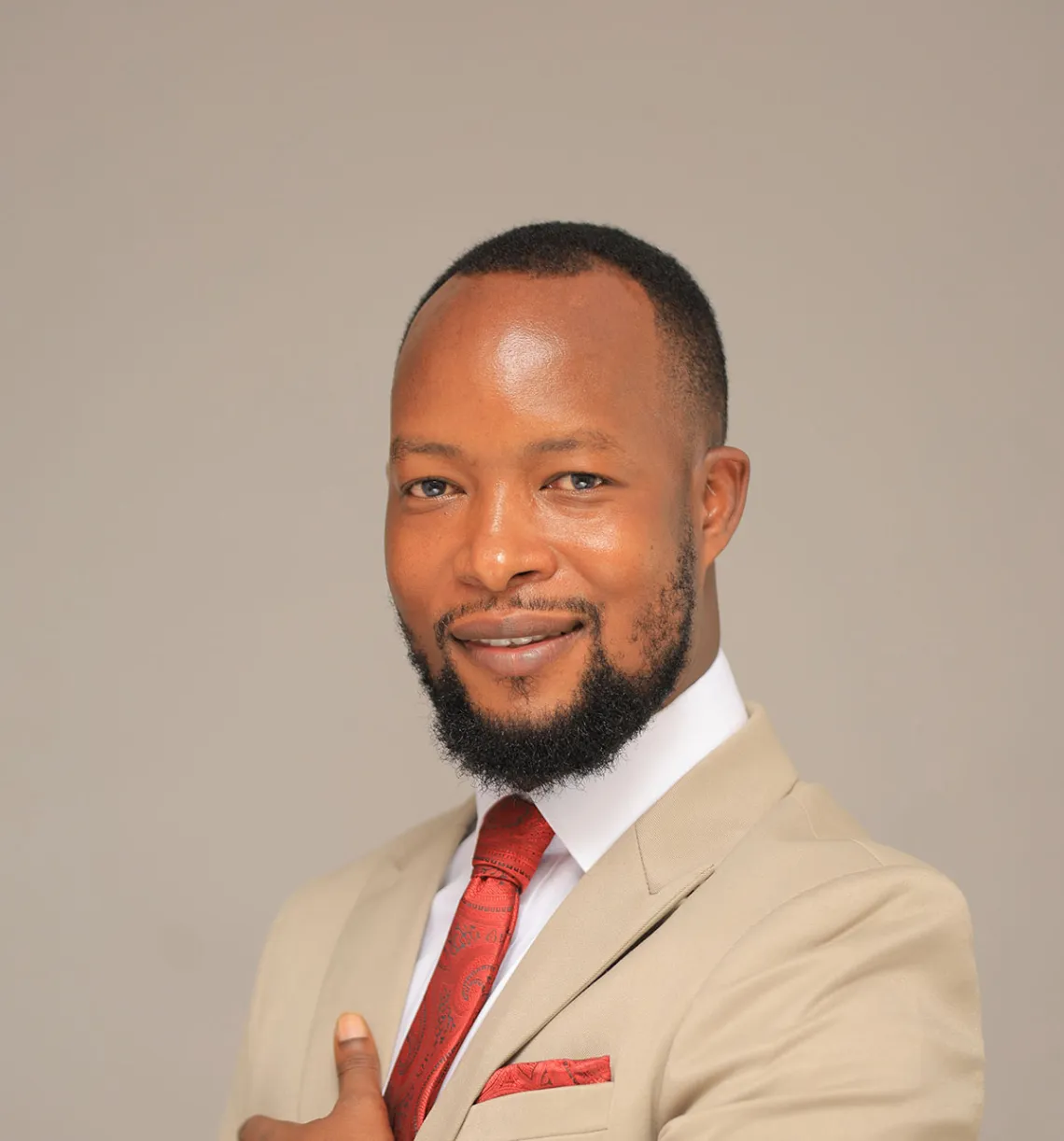

Running under the slogan “Sarah is tall” a playful yet symbolic nod to his wife Sarah Luzzi, his campaign is centered on economic empowerment, youth development, and accountable governance. Luzzi faces stiff competition from Lewis Rubongoya (NUP), Hon. Minsa Kabanda (NRM), Suzan Kushaba, and Moses Muhangi.
Luzzi has unveiled a comprehensive Reform Agenda built around six key pillars aimed at reshaping Uganda’s governance, economy, and social systems.
Political Reforms
Luzzi proposes to reduce Parliament to 90 MPs, saving the country UGX 415 billion annually, and cutting MP salaries by half—from UGX 40 million to UGX 20 million. He also plans to abolish by-elections, introduce digital campaigns to end vote-buying, and ensure all MPs hold a minimum bachelor’s degree with proven financial stability.
Economic Reforms
He advocates for a UGX 200,000 minimum wage for all workers, better pay for doctors, teachers, and police officers, and a 24-hour government payment guarantee. Luzzi’s agenda prioritizes Ugandans in government contracts, promotes professional training for domestic workers, and supports private sector partnerships for infrastructure growth.
Justice Reforms
To ease prison congestion, Luzzi calls for fines instead of jail for minor offenses, simplified bail procedures, and fast-tracked case resolutions. His reforms aim to make justice affordable and accessible for all while boosting government revenue.
Housing & Urban Development
Under his plan, tenants would own their homes after 10 years of rent payments, while cities will feature two-lane roads, emergency lanes, cycling paths, and pedestrian walkways. Luzzi emphasizes organized urban planning and affordable housing to improve living standards.
Worker Protection
He proposes mandatory employment contracts, legal safeguards against exploitation, standardized job terms, and certification for domestic workers. Employment tax compliance will be tied to transparent labor systems and quick dispute resolution.
Administrative Reforms
Luzzi envisions automatic IDs and passports at birth, a comprehensive citizen database, digital governance, and efficient procurement and payment systems to eliminate corruption and delays.
