

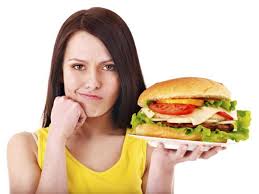

Being aware of portion sizes means understanding how much of a particular food or drink to consume in one sitting, especially when it comes to weight management or healthy eating. It involves knowing the recommended serving sizes for different food groups and being able to estimate those amounts accurately.
Why is it important?
- Weight Management:
Controlling portion sizes can help you manage your weight by preventing overeating and ensuring you’re not consuming too many calories.
- Nutrient Intake:
Being aware of portion sizes helps you get the right balance of nutrients in your diet, preventing deficiencies or excesses.
- Health:
Eating appropriate portion sizes can help reduce the risk of health problems associated with overconsumption, such as obesity, heart disease, and type 2 diabetes.
How to become more aware of portion sizes:
- Read Food Labels:
Pay attention to the serving size listed on packaged foods, and compare that to the amount you usually eat.
- Use Measuring Tools:
Utilize measuring cups and spoons, especially when preparing meals at home, to get a better sense of portion sizes.
- Visual Cues:
Use hand measurements as a guide for estimating portions, such as a palm for protein, a fist for carbs, and a cup for vegetables.

- Mindful Eating:
Slow down, pay attention to hunger and fullness cues, and savor your food to avoid mindless overeating.
- Plate Composition:
Fill half your plate with vegetables, a quarter with protein, and a quarter with whole grains for a balanced meal.
Here are 9 tips to measure and control portion sizes — both at home and on the go.
- Use smaller dinnerware. …
- Use your plate as a portion guide. …
- Use your hands serving guides. …
- Ask for a half portion when eating out. …
- Start all meals with a glass of water. …
- Take it slowly. …
- Don’t eat straight from the container.


