

By Carolyne Muyama
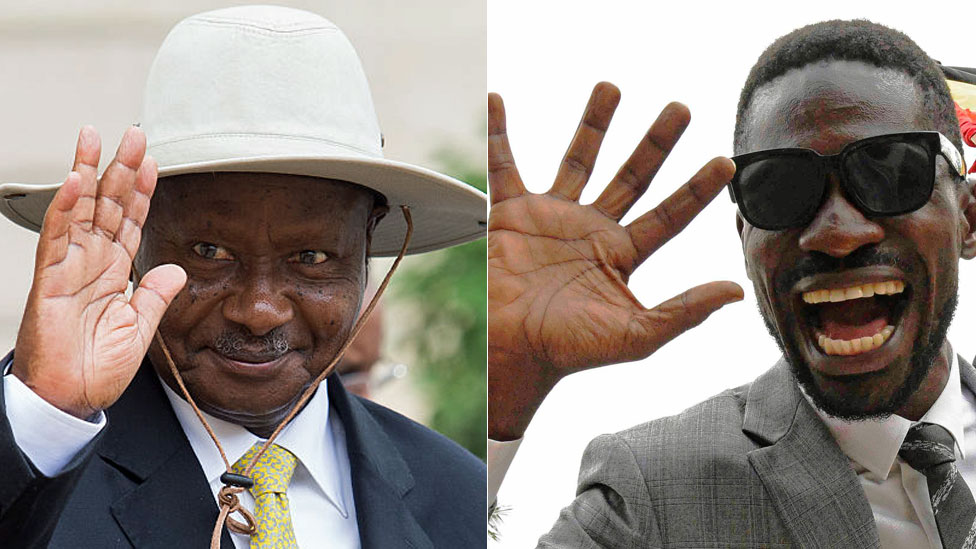
Opposition leader Bobi Wine recently addressed the European Parliament regarding Uganda’s 2026 general elections. The National Unity Platform leader accused the National Resistance Movement government and President Yoweri Kaguta Museveni of electoral fraud, intimidation, and the erosion of democratic freedoms.
His objective was to persuade Members of the European Parliament (MEPs) to take a firm stand against Uganda. However, a close examination of the proceedings indicates that the European Parliament was not fully convinced by his claims. Instead, several members raised pointed questions and refrained from making immediate judgments.
In his presentation, Bobi Wine described the elections as deeply flawed. He cited voter suppression, arrests of his supporters, heavy security deployment, and what he termed a lack of transparency in vote counting. He argued that the elections were neither free nor fair.
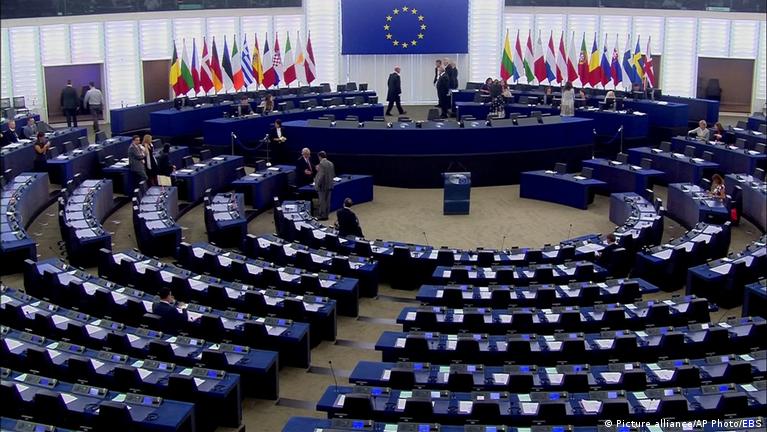
He further urged the European Union to exert greater pressure on Uganda, including the possibility of sanctions and stronger diplomatic measures. He portrayed himself and his supporters as victims of a system he claimed was designed to favour the incumbent.
Although his speech was emotional and passionate, much of it relied on personal accounts and broad assertions. He framed the election as evidence of long-standing governance challenges under President Museveni’s administration.
When the floor was opened for questions, the tone shifted. Several MEPs did not simply accept his statements; they requested substantiation. Some asked whether independent evidence existed to support allegations of widespread rigging. Others inquired whether formal election petitions had been filed in Ugandan courts and what the outcomes were. They pressed him on whether all available domestic legal remedies had been fully exhausted.
A number of lawmakers also raised concerns about regional stability. Uganda plays a significant role in peacekeeping and security efforts in East Africa. They asked what alternative governance plan Bobi Wine had and how he would ensure stability if political change occurred.
These questions were not hostile; they were measured and direct. They reflected a desire for verifiable facts and legal clarity rather than rhetoric.
In response, Bobi Wine maintained that Uganda’s institutions, including the judiciary, were compromised and that obtaining justice through the courts was difficult. However, when pressed for specific evidence, official documentation, or detailed data, his answers remained general. He returned to broader themes of repression and democratic decline—serious concerns, but ones that some lawmakers appeared to expect would be supported with more concrete proof.
When questioned about his long-term governance strategy, he emphasized restoring democracy and protecting human rights. While these principles are fundamental, he did not outline detailed policy proposals on the economy, national security, or foreign relations—areas of interest to international partners.
Uganda is a sovereign state with a Constitution and established legal procedures for resolving electoral disputes. Candidates dissatisfied with election outcomes have the right to file petitions before the courts. The judiciary is mandated to examine evidence, hear witnesses, and deliver binding decisions under the law.
In international relations, sovereignty remains a guiding principle. While foreign partners may express concern, the management of Uganda’s political affairs rests within its own constitutional framework. Electoral grievances are expected to be addressed through domestic legal and institutional channels.
By presenting internal political disputes before a foreign legislative body, Bobi Wine’s approach also raises questions about the appropriate scope of international engagement. At the conclusion of the session, no strong resolution condemning Uganda was adopted, and no immediate punitive measures were announced. The absence of decisive action was notable.

Uganda’s political environment remains competitive and often polarized. Some maintain that the elections were conducted in accordance with constitutional provisions, citing multi-party participation and the absence of widespread post-election violence as indicators of stability. The opposition, however, contends that the political field remains uneven.
Such disagreements are inherent in political contestation. Resolving them, however, requires adherence to established legal and constitutional mechanisms. Courts, electoral bodies, and other institutions exist to address these matters.
Ultimately, the session underscored that foreign platforms cannot substitute domestic legal processes. Uganda’s political challenges, like those of any sovereign nation, are best addressed internally—through dialogue, the courts, and respect for constitutional order.

The writer works with the Uganda Media Centre.