
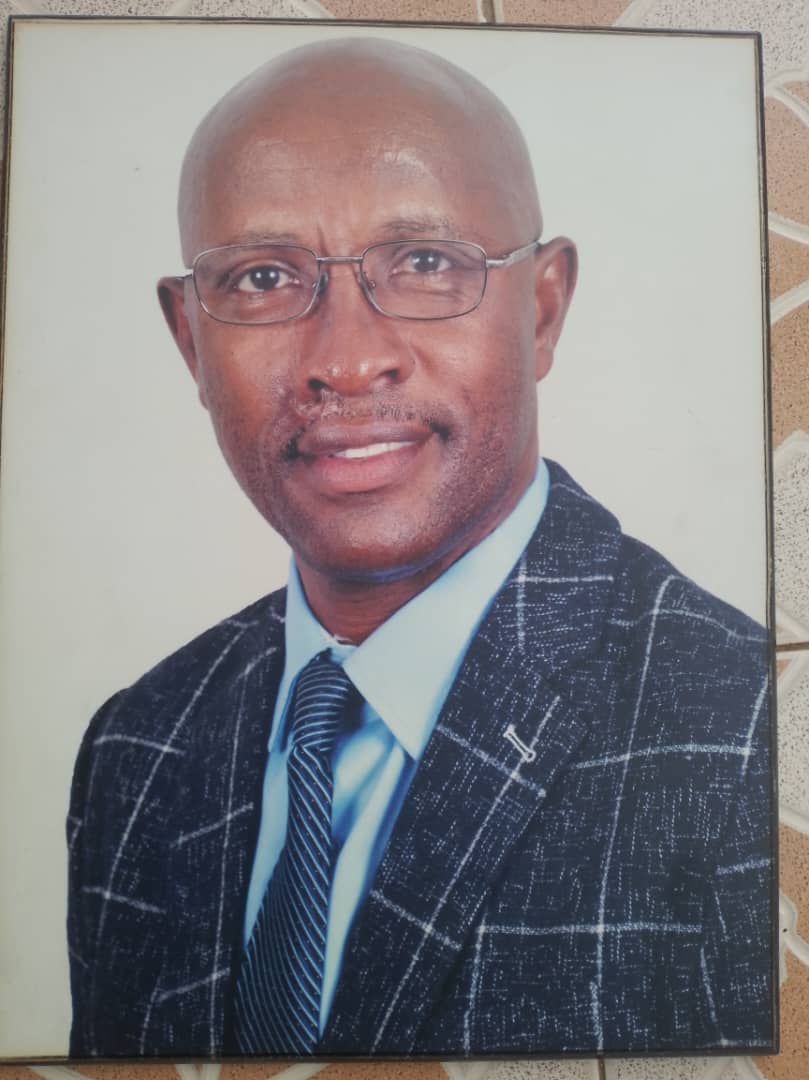
By Lt. Col. Dr. Kato Damiano Abooki
Kampala | August 4, 2026
ABSTRACT;
The IAEA safeguards system is built on inspections, declarations, and technical equipment. In regions with porous borders and limited capacity, this model leaves critical gaps. This article proposes a “human-centric” alternative for Africa: a pilot model for Uganda based on border intelligence and public awareness. Through a 12-month pilot at Entebbe Airport, Malaba/Busia, and a wildlife corridor, the model trains officers, builds an intelligence hub, and runs mass public messaging. The hypothesis is that intelligence + awareness detects radiological threats faster and cheaper than hardware alone, and is replicable across East Africa.
Keywords: Nuclear Security, Border Intelligence, Public Awareness, IAEA, Uganda, East Africa.
1. INTRODUCTION: WATCHING THE WRONG THING
For 50 years nuclear security has meant reactors, big science, and cameras.
But in East Africa the threat is not a reactor. The threat is a package moving at night* through Malaba, Busia, or a wildlife corridor. It is dual-use material in a sack of charcoal. It is ignorance in a border community.

The core problem: We are watching the reactor but not watching the routes.
IAEA equipment is expensive. States cannot afford it at every border post. What we can afford is people, training, and trust.
This article proposes _The Uganda Model a low-cost pilot that puts intelligence and public awareness as the first line of nuclear security.
2. THE PROBLEM STATEMENT
Three gaps exist in the current system:
1. Geographic Gap: Uganda shares long, porous borders with 5 states. Wildlife corridors and informal trade routes are unmonitored.
2. Capacity Gap: Radiation detectors are few. Most border officers cannot identify radiological vs conventional smuggling.
3. Awareness Gap: Communities do not know what a radiological threat looks like. They treat it like scrap metal.
The result is a security system waiting for a crisis instead of preventing one.
3. THE UGANDA MODEL: INTELLIGENCE + AWARENESS*
The proposed 12-month pilot has 3 components:
Component 1: Border Intelligence Capacity
Train 60 officers from UPDF, Uganda Police, URA, and UWA.
Selection through _Diplomatic-Internal-External process:
Diplomatic: Nomination by 1st Secretaries at embassies for regional buy-in
Internal: Nomination by national security agencies
External: Technical input from IAEA and regional partners
Curriculum: Pattern recognition, suspicious behavior, reporting chains, and a “medical package” protocol for handling suspected materials.
Component 2: National Intelligence Seminar and Hub
A national seminar for decision-makers to “refresh minds” on African nuclear risk.
Establish a small National Intelligence Hub to receive reports, map routes of suspicion, and share information with Kenya, Tanzania, Rwanda, and DRC.
Component 3: Public Awareness Campaign
Mass messaging via Radio Uganda, UBC, CBS, Simba FM, and regional stations in North West and Eastern Uganda.
Core frame: Public health emergency.
Message: _“Citizens, there is a danger that can burn the body and leave wounds for ages. Don’t go near. Report suspected materials and people. Map the routes of suspicion.”
4. PILOT SITES & METHODOLOGY;
Sites: Entebbe International Airport, Malaba/Busia Border, 1 remote wildlife corridor in North West Uganda.
Duration: 12 Months
Method: Qualitative + Action Research. Baseline assessment, implementation, monitoring, interviews with officers and communities, and comparative analysis vs equipment-only models.
Success Metrics: of suspicious consignments flagged, of community reports received, of cross-border intelligence shares, government policy uptake.
5. SIGNIFICANCE AND EXPECTED IMPACT;
1. Academic: Contributes new literature on “human-centric nuclear security” in the Global South. Shifts focus from hardware to social behavior.
2. Policy: Gives Uganda and IAEA an affordable, replicable model that does not require billion-dollar infrastructure.
3. Regional: If Uganda succeeds, it creates pressure for an East African “Intelligence Belt” for nuclear security.
4. Public Health: Frames nuclear risk in language citizens understand — similar to Ebola or disease outbreaks.
6. CONCLUSION;
Nuclear security in Africa cannot be outsourced to foreign experts or delayed until the first reactor is built. The threat is moving now, through our borders and our communities.
Intelligence, trust, and public awareness_ are the first line of defense.
Uganda is positioned to pilot this model and offer it to the continent.
“Where the threat moves, our people must be watching.”
About the author;
Senior Lecturer, IUEA | Political Analyst | Former AMISOM Officer. (UPDF).