


Magara Darious the Managing editor of Eastafricanwatch.net talked to Arinaitwe Grace Chairperson of Quantity surveyors at Institution of Surveyors of Uganda (ISU)and the Managing Director, ACETEC CONSTRUCTION LTD about building Safer and the critical role of professional building contractors in Q&A interview. Read the interview bellow;

Every year, an estimated 10 million people in Africa move into urban areas, seeking better opportunities and living conditions. This rapid urbanization, while promising, poses many critical challenges for instance unchecked urban sprawl, unsafe structures, and strained infrastructure. As urbanization accelerates globally, the role of professional contractors has become essential in creating sustainable and safe urban environments, aligning with the UN’s Sustainable Development Goals (SDGs) specifically Goal 11 on Sustainable cities and communities, Goal 9 on Industry, Innovation and Infrastructure.
The consequences of poor construction are devastating, from collapsing buildings, financial loss, and even loss of life. Yet, despite the evident need for professionalism in the industry, unlicensed builders, known locally in Uganda as “Ba Yinjinya,” dominate many small-scale projects, leaving questions about safety and quality unanswered. Why do people continue to gamble with unqualified contractors, and what will it take to build a culture of professionalism in Uganda’s construction sector? Professional contractors bring expertise, accountability, and technical know-how to construction projects, preventing issues that range from minor flaws to catastrophic structural failures.
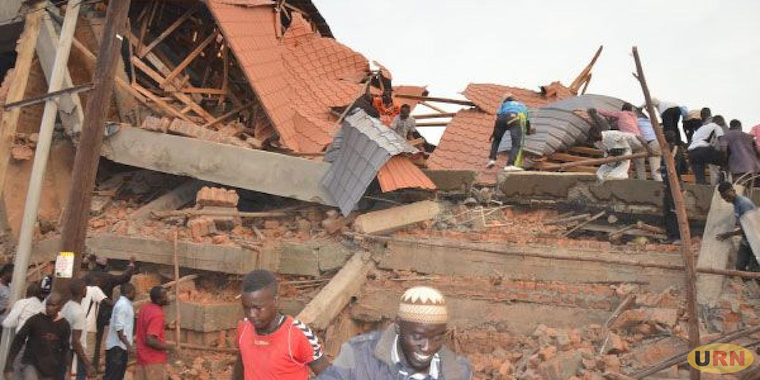
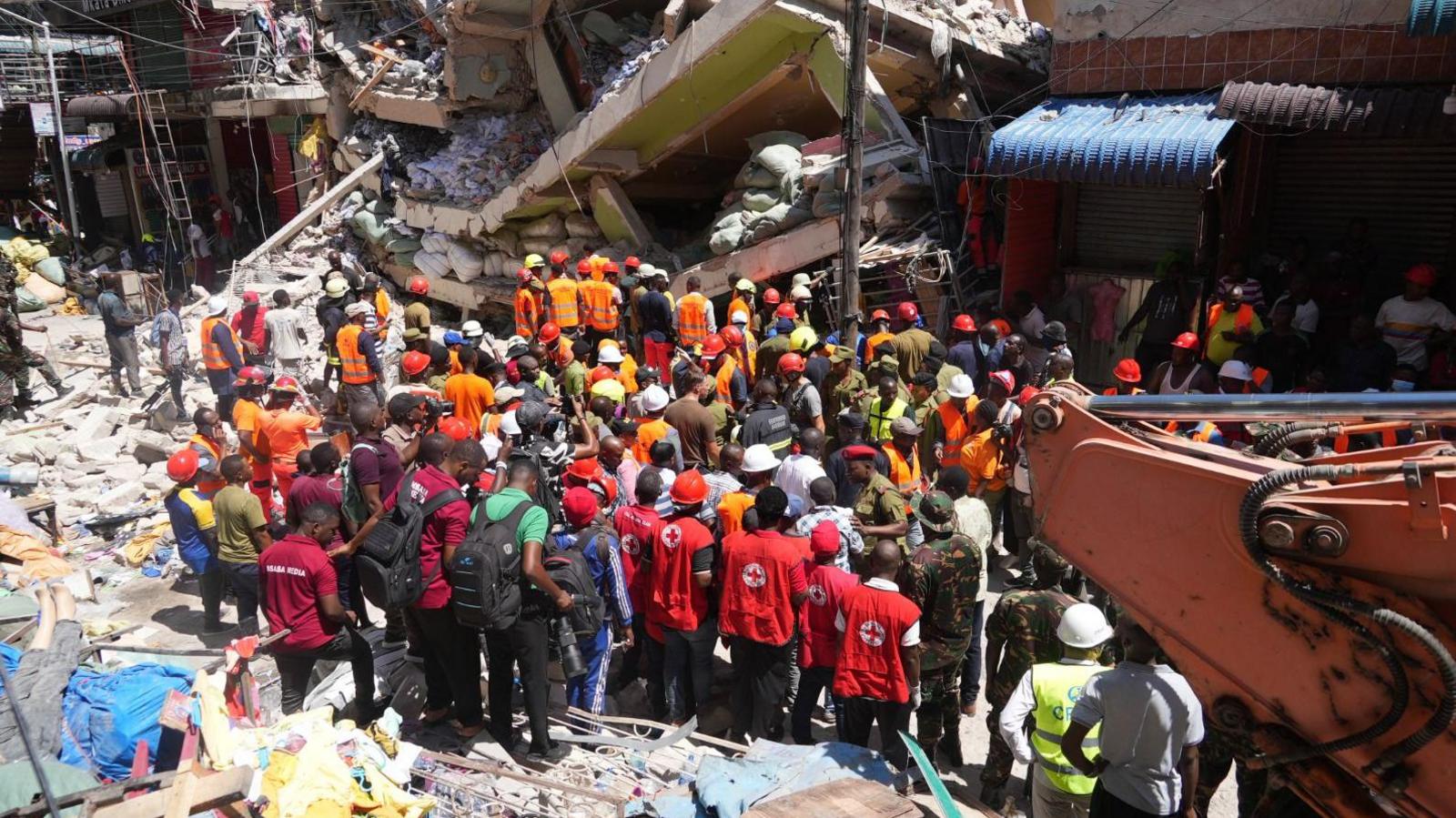
Figure 2 BBC reports on the recent collapsed building in Kariakoo Tanzania
https://www.bbc.com/news/articles/cx24jdy1yzeo Source: BBC Africa
Who is a professional & credible contractor?
Professional contractors are distinguished not only by their skill but also by their licensing, training, and adherence to regulatory standards. These contractors carry certifications from recognized bodies, ensuring compliance with risk management and liability practices. They also possess portfolios that demonstrate expertise, leadership, and accountability. Unlike unqualified contractors, credible contractors are bound by regulations that hold them accountable for failures or defects.
A professional contractor ensures structures are built to last, minimizing safety concerns and long-term maintenance costs. While some unqualified contractors to a certain degree may possess practical skills, they often lack formal training in critical areas such as safety protocols, advanced building techniques, and legal compliance. This makes resolving disputes or addressing defects challenging in the absence of enforceable disciplinary action against the errant builders.
Why do people still Choose Unqualified Contractors?
Despite the clear advantages of hiring professional contractors, many property developers still opt for unqualified builders. The reasons are many and could be different for every developer but for most, these are the reasons used to justify their risky undertaking. Unqualified contractors often charge extremely low fees, making them attractive to clients with tight budgets, but practically impossible for the builders to delivered the required quality. Secondly, some property owners prioritize immediate results over credentials, believing that skilled unqualified builders can deliver comparable work. Lastly, limited awareness of the long-term risks associated with substandard construction perpetuates the reliance on unprofessional contractors. This tendency to compromise on professionalism undermines the construction industry’s standards and poses significant safety risks. Poorly executed projects may lead to structural failures, resulting in financial losses, injuries, or even fatalities.
Why Should Developers Prioritize Engaging Professional Contractors?
The Code Of Conduct And Practice For Construction Sites issued by National Building Review Board, June 2020, mandates involvement of all professionals in the built environment on construction projects, much more during execution. These professionals include; architects, civil/structural engineers, land surveyors, quantity surveyors, mechanical & electrical engineers, environmental officer, health and safety officers. Contractors, in particular, translate building plans into reality and bear significant responsibility for a project’s safety and quality.
While hiring all these professionals alongside a credible contractor may seem costly initially, it is a worthwhile investment. Professional and credible contractors provide long-term value by ensuring structures are durable, safe, cost efficient in the long run, and compliant with regulations among others. In contrast, hiring unqualified builders may save the developer money in the short-term, however the built asset might become more expensive due to high costs in repairs, maintenance, or even reconstruction in the long run.
Additionally, developers must also recognize the importance of supervision during construction. Even with competent contractors, effective oversight ensures adherence to quality standards and project timelines.
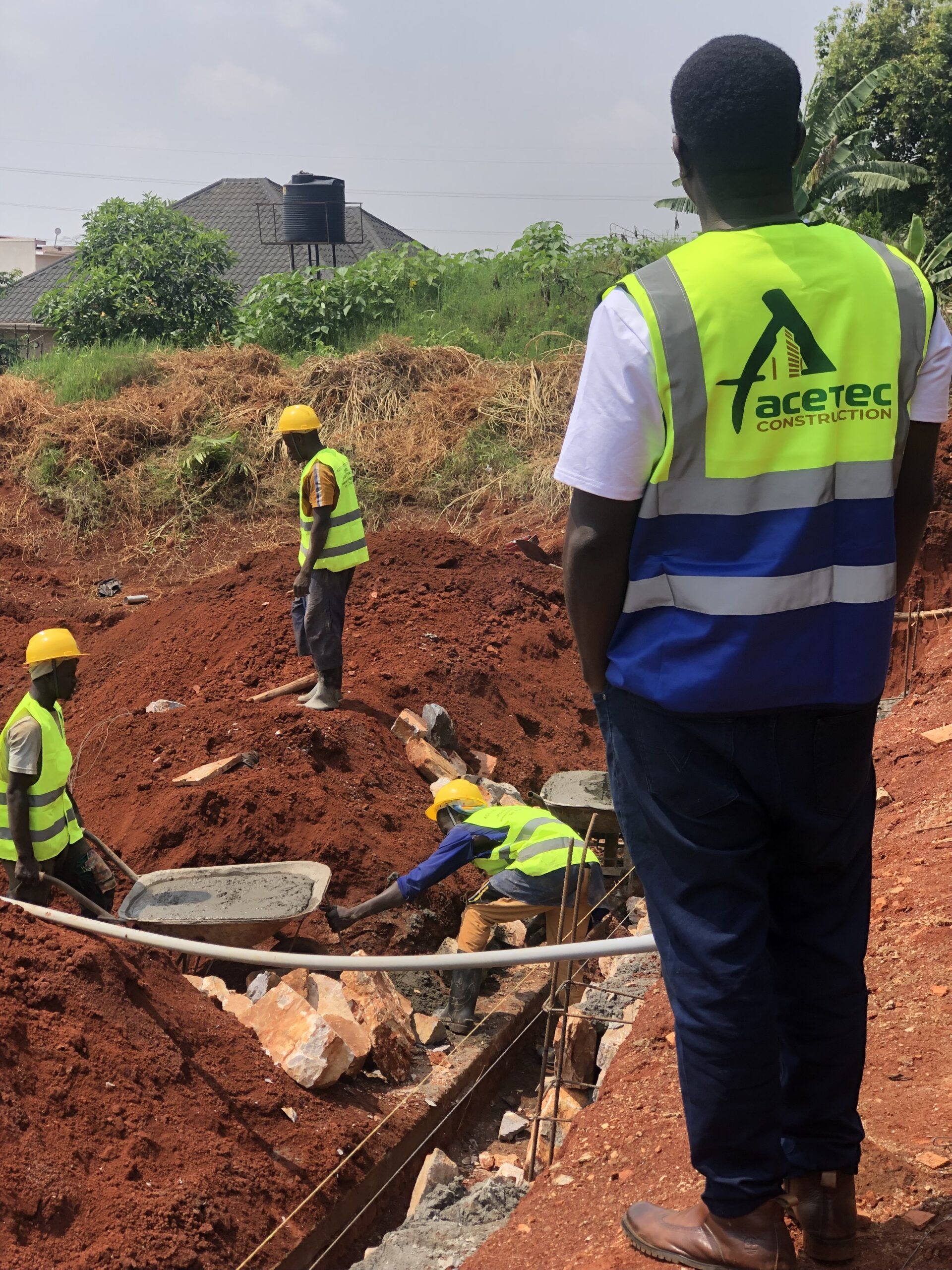

Uganda’s Construction Landscape: Challenges
Uganda’s construction industry faces critical challenges hindering its growth and professionalism. Weak regulation enforcement allows unqualified contractors to dominate small-scale projects, undercutting professionals on price but compromising quality. Rising material and labour prices strain budgets, preventing investment in modern equipment and skilled labour. Young professionals lack mentorship and training, stalling career growth, while delayed payments by clients (private and government) and lengthy building plan approval processes by local authorities disrupt cash flow and project timelines. Additionally, poor financial management limits contractors’ ability to sustain businesses long-term. These challenges do not relieve contractors of their obligation to act professionally.

Storeyed building Under construction (Source: ACETEC Construction)
How do we Build a Culture of Professionalism?
To improve professionalism in Uganda, we must invest in education, training, and regulatory enforcement. Additionally, the government should strengthen and empower the Uganda National Association of Builders, Suppliers and Engineering Contractors (UNABSEC) and the National Building Review Board (NBRB), and local authorities. Stronger enforcement mechanisms and clear policies are needed to support their initiatives.
Also, we can draw lessons from developed countries. For instance, the UK’s Housing Grants, Construction and Regeneration Act 1996 mandates timely payments, preventing delays that disrupt contractors’ cash flow. Similarly, Mechanic’s Lien Laws in the United States and Canada allow contractors to secure payment by filing a lien on properties if clients fail to pay. Additionally, Project Bank Accounts in the UK ensure that funds are deposited before project commencement, protecting contractors from payment delays.
Public-private partnerships coupled with Joint venture arrangements can play a vital role in building capacity for young professionals and indigenous contracting firms through mentorship opportunities. Affordable financing options, such as lower interest rates, would enable contractors to invest in equipment, labour, and skill development. Streamlining approval processes for permits and compliance would further reduce delays, fostering a more efficient and competitive industry.
Moving Forward
We must continue to foster a culture of professionalism to unlock the construction sector’s full potential. In support of the UN SDGs, its important that the collaboration of skilled professionals with professional and credible contractors is utilized to deliver quality projects that stand the test of time and minimize on the catastrophes of not having professionals on your project team. This comes with a renewed mindset on the importance of credible contractors rather than having informal builders leading the construction process. Encouraging the use of credible contractors and curbing the operations of unqualified builders will protect property owners, ensure safe, high-quality construction and in the end achieve sustainable development in cities and communities.
More about Arinaitwe Grace; he holds RSU(QS), MRICS, MCIArb,
Mobile Contact; 0752713557, acetecconstruction@gmail.com


