The Church of Uganda Environment has today joined the rest of the country to commemorate the environmental and sanitation week that offers a chance to people to come together and care for the world that God created for humanity.

According to the Program Officer Climate Change Environment and Disaster Risk Management in the Directorate of Household and Community Transformation, Ms Josephine Ninsiima a number of activities will run during the week and the general public has been invited to participate.
She also pointed out that the Archbishop Kaziimba Mugalu will address the Province on Wednesday morning through the Media in Namirembe to give more guidance on environment conservation and climate change mitigation measures.
There will also be a Webinar on Friday hosted by the Archbishop of the Church of Uganda which will bring together all Church leaders at all levels across the Province under the theme, “The role of the church in advancing climate action.”

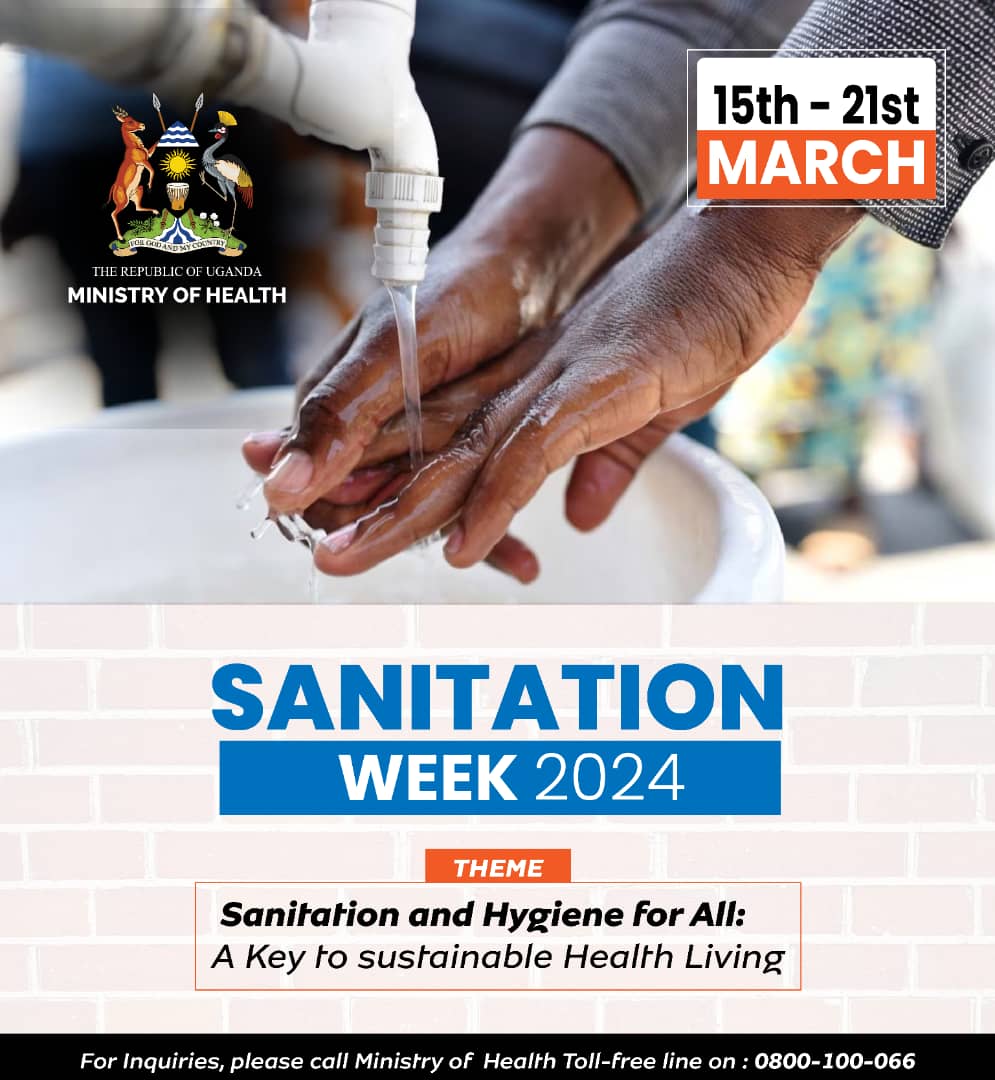
Meanwhile the Ministry of Health launched the annual Sanitation and Hygiene Week under the theme “Sanitation and Hygiene for All; A Key to sustainable healthy living.” The chosen theme reflects the government’s commitment to empowering communities across the country to actively participate in interventions aimed at promoting and maintaining clean and healthy environments. The launch was on Friday.
During the official launch, the Minister for Health, Dr. Jane Ruth Aceng Ocero, reiterated the Government’s dedication to addressing the adverse effects of poor sanitation and hygiene. “Sanitation and hygiene are not mere prerequisites to health but are fundamental to survival, healthcare service utilization, education, and community resilience,” she emphasized. She highlighted the need for collective action to uphold clean environments, stressing the significant economic burden imposed by preventable diseases.
Dr. Diana Atwine, the Permanent Secretary of the Ministry of Health, noted that 75% of the disease burden in Uganda is preventable. “Diarrhoea, one of the top three childhood killer diseases in the country, claims the lives of 33 children daily, with 90% of cases directly attributed to inadequate water, poor sanitation, and unhygienic practices” she said. Dr. Atwine emphasized the devastating impact of early childhood diarrhoea on child mortality rates and its contribution to high levels of stunting, affecting children’s cognitive development and performance in school.
Dr. Herbert Nabaasa, the Commissioner in charge of Environmental Health, highlighted the critical relationship between water availability and sanitation endeavors. He emphasized the collaborative efforts needed to ensure access to clean water, unveiling the availability of mini-banks offering sanitation loans to facilitate the construction of toilets and access to clean water for households.
Representing UNICEF Uganda, Dr. Mohammed EL Munir commended Uganda’s efforts in implementing frameworks and strategies aimed at enhancing sanitation and hygiene services. He cited initiatives such as the National Open Defecation Free Roadmap and the National Handwashing Strategy as instrumental in driving tangible improvements in service delivery.
Cate Zziwa Nimanya, Regional Director of Africa Water For People, underscored the far-reaching implications of poor sanitation practices. “Poor sanitation not only pollutes the environment but poses grave risks to public health,” she warned. Nimanya emphasized the urgent need for proper waste management to mitigate environmental contamination and safeguard public health.
Aline Sylvie Pawele, Country Fund Portfolio Manager at the UN’s Sanitation and Hygiene Fund (SHF) emphasized the intrinsic link between sanitation, hygiene, and human rights. “Inadequate access to sanitation and hygiene profoundly impacts health, education, and economic opportunities, particularly for women,” she noted. Pawele highlighted the immense economic potential of investing in sanitation, citing a study projecting a $2.7 million sanitation economy in Uganda by 2030.
As Uganda embarks on Sanitation and Hygiene Week, the resounding message is clear: concerted efforts and collective responsibility are essential to achieving a healthier, more prosperous future for all citizens. Through collaborative action and sustained commitment, Uganda aims to combat poor health conditions and promote sustainable development across the nation.
Additional information shared by Oyera Annabel