
Dr. Stephen B. Kayongo Commends Gomba’s Saemaul Undong Success as District Launches New Community Development Projects
By East African Watch Reporter
25 July 2026 | Gomba District, Uganda
Gomba District has reaffirmed its position as one of Uganda’s leading centres for community-led development after officially launching a series of Saemaul Undong (SMU) projects alongside the National Community Cleaning Activities, with National Coordinator Dr. Stephen B. Kayongo applauding members for their commitment to transforming their communities.
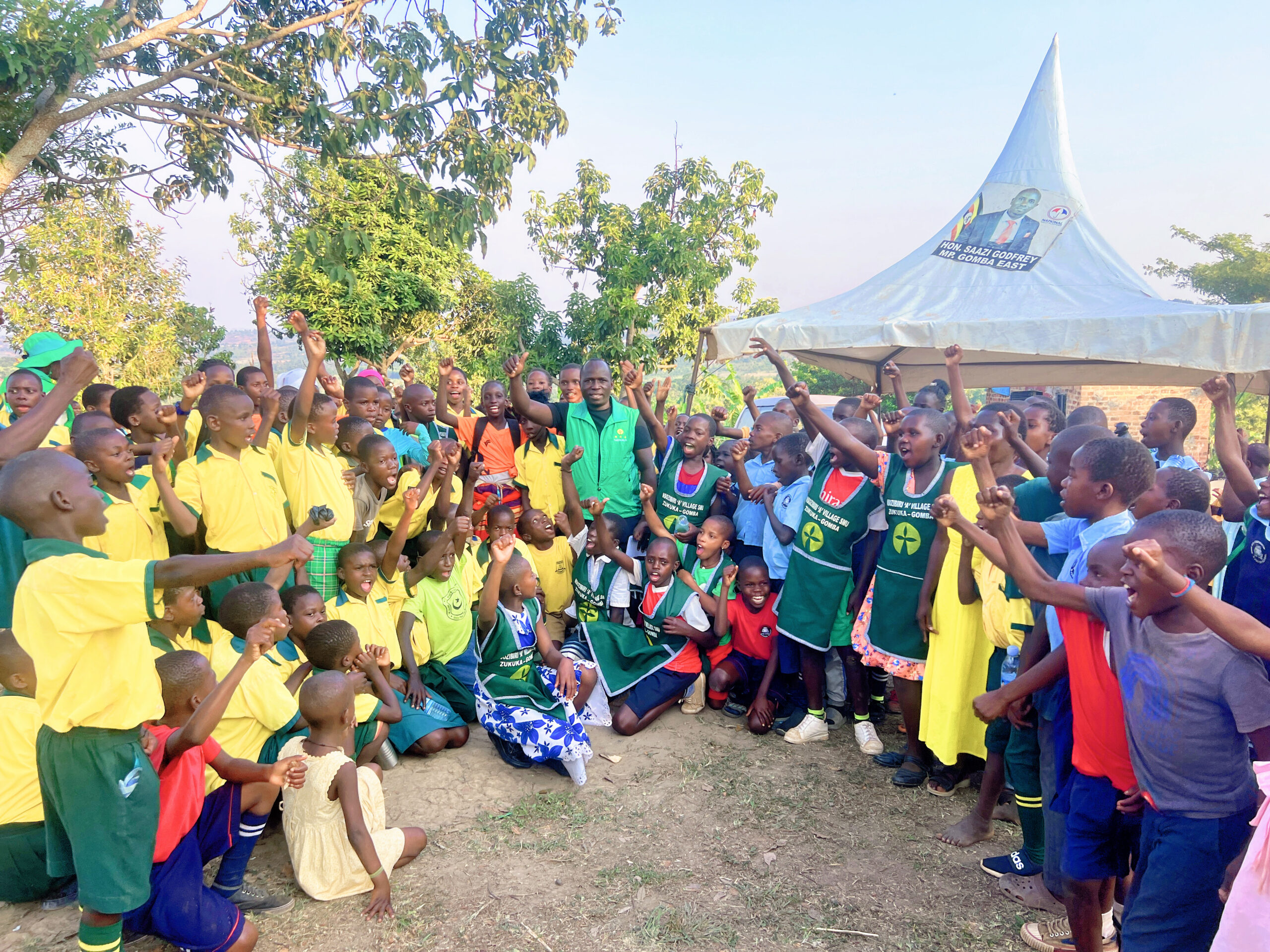
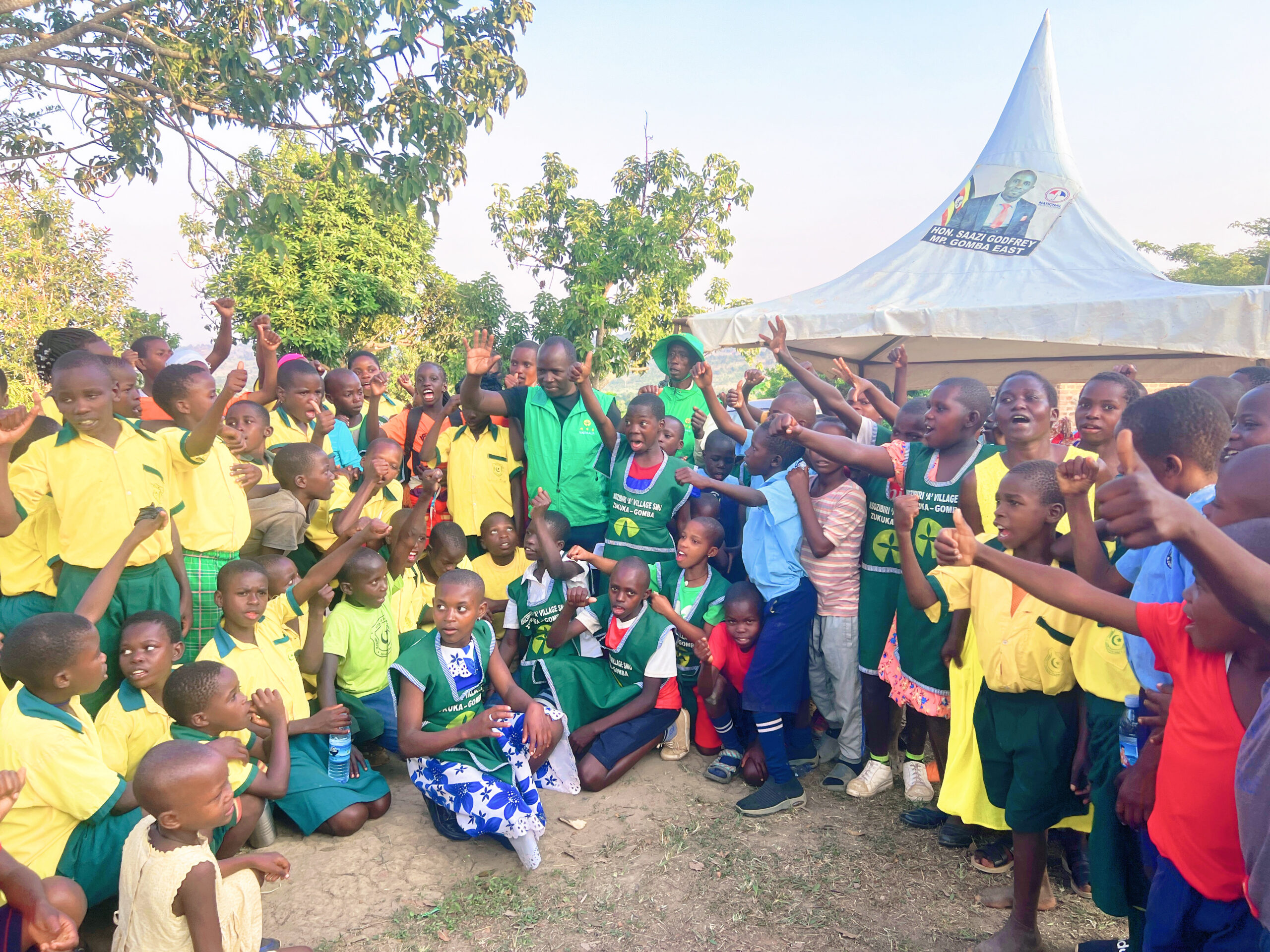
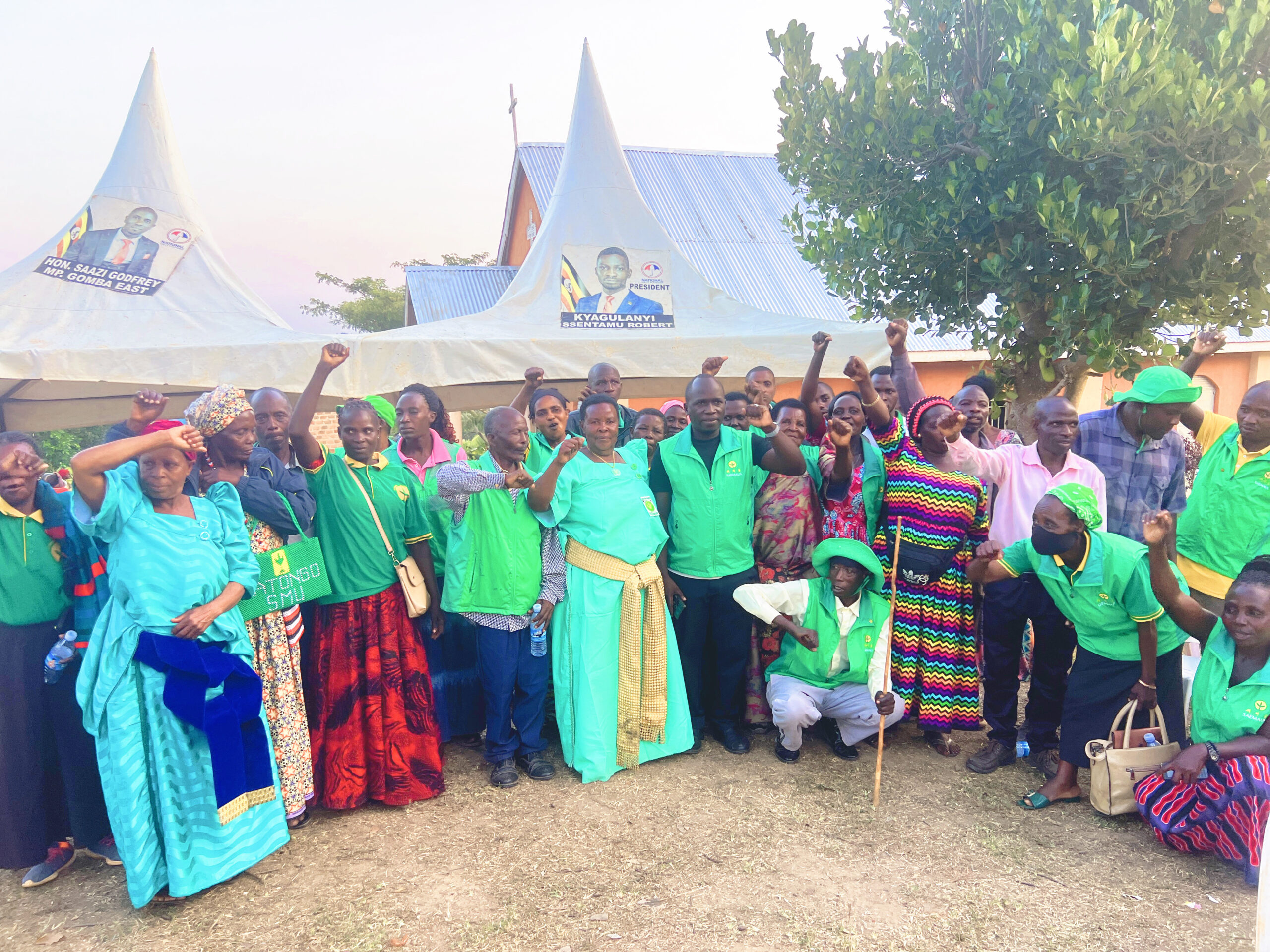
The colourful event, held at Kakomo Home of Stars Missions Hill in Mpenja Sub-county, attracted more than 300 Saemaul Undong members, government leaders, development partners, and community representatives from across Gomba East and Gomba West.
The function commenced at 11:00 a.m., following the nationwide community cleaning exercise in which members actively participated before converging for the official launch.
Dr. Stephen B. Kayongo Challenges Communities to Build Through Hard Work
Addressing members during the convention and exhibition, Dr. Stephen B. Kayongo, International Saemaul Undong Coordinator and National Coordinator, applauded the remarkable progress made by Gomba District and encouraged members to remain faithful to the movement’s guiding principles of Diligence, Self-Help, and Cooperation.
Dr. Kayongo thanked members for their dedication, describing the convention as evidence that communities can transform themselves through unity and collective effort.
“This convention is proof that when people come together with one heart, great things happen. Your commitment to hard work and cooperation is changing lives and making Gomba a model district for Uganda,” he said.
He further encouraged parents to invest in education, urged members to embrace every honest opportunity for work, strengthen cooperation among villages, and continue placing God at the centre of all development initiatives.
Quoting Proverbs 14:23, Dr. Kayongo reminded participants:
“All hard work brings a profit, but mere talk leads only to poverty.”
New Community Projects Unveiled
During the event, district leaders officially launched several community-driven projects aimed at improving livelihoods and social welfare across the district.
The initiatives include:
Cash and food crop farming to strengthen household food security and incomes.
SACCOs to expand savings, access to credit, and financial independence.
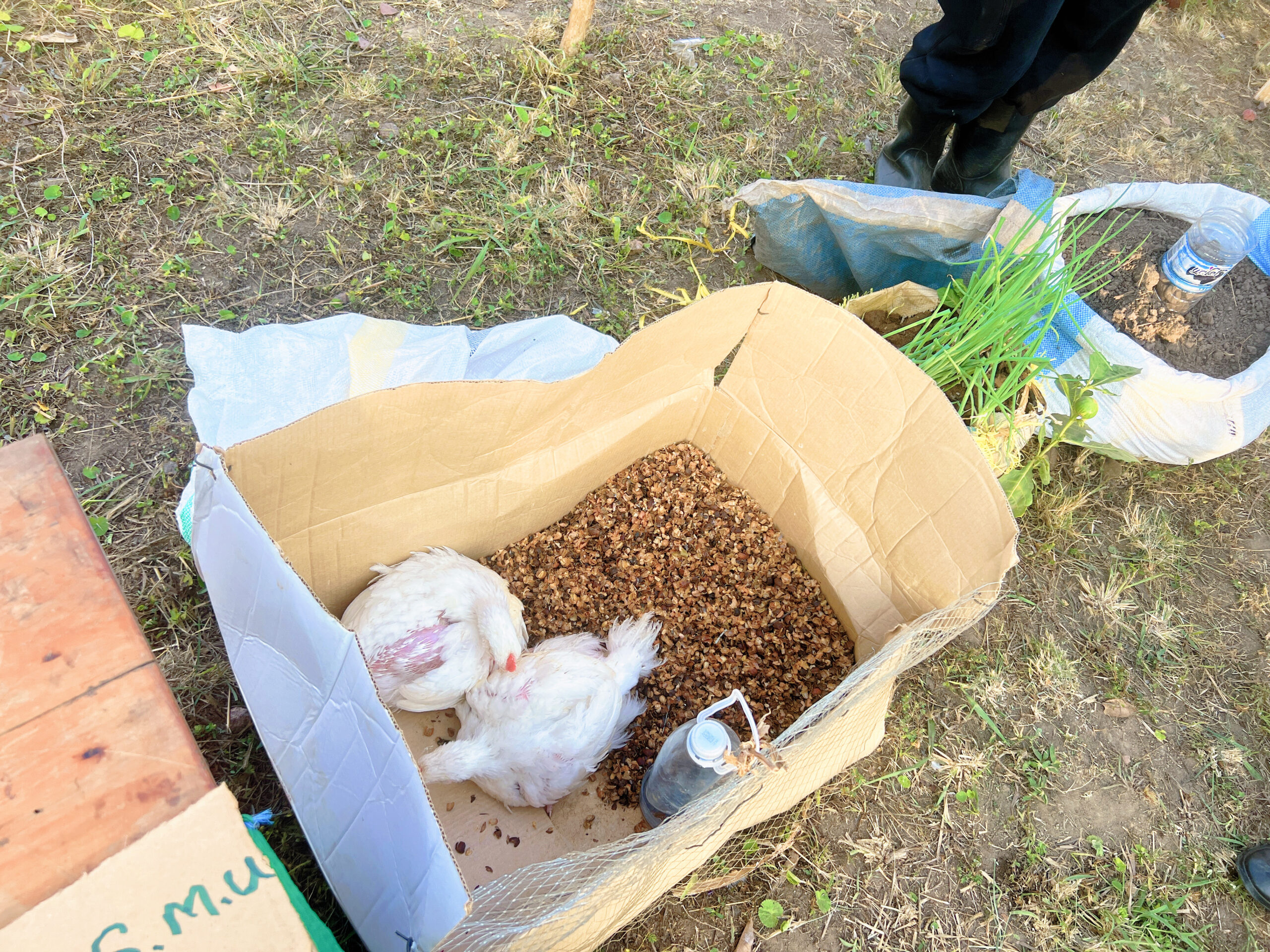
Animal keeping, including cattle, goats, and poultry production.
SMU School Projects to promote discipline, leadership, and practical skills among learners through Saemaul values.
Community Drug Shop to improve access to affordable healthcare services within local communities.
Leaders noted that additional projects will continue to be rolled out across the district’s 17 active SMU villages.
Gomba Registers Remarkable Progress
District leaders highlighted several achievements realised through the Saemaul Undong movement.
Among them are:
A significant mindset change, with communities embracing hard work, self-help, and cooperation.
Expansion of new SMU villages across Gomba East and Gomba West.
Improved environmental cleanliness through regular community cleaning exercises.
Enhanced youth empowerment through talent development, skills training, sports, and income-generating activities.
Speaking during the event, leaders said Gomba is increasingly becoming a model district where community members are taking responsibility for their own development rather than waiting for external support.
Challenges Remain
Despite the progress, members identified several challenges affecting productivity and economic growth.
These include prolonged drought that continues to affect agricultural production, low household incomes limiting the size of loans available through SACCOs, and limited land for commercial farming.
To address these challenges, members appealed for increased training opportunities at the National Farmers Leadership Centre (NFLC) Kampiringisa, where they hope to acquire modern farming techniques, leadership skills, and sustainable agricultural practices.
Leaders Express Appreciation
Village leaders expressed gratitude to the Korea Saemaul Undong Center and the International SMU Coordinators for their continued support towards Ugandan SMU communities, particularly through capacity-building programmes at NFLC Kampiringisa.
They also appreciated the Uganda SMU Center Board for its technical guidance and acknowledged the commitment of the Gomba District Executive Committee in strengthening the movement across the district.
District Leadership
Gomba District Saemaul Undong is led by Mr. Hitman Issa of Maddu Village, while the host village, Kakomo SMU Village, is chaired by Mr. Mukalazi Esau Wasswa, who oversaw preparations for the successful convention and exhibition.
The event was also attended by Mr. Kanyike Solomon, Leader of the Uganda SMU Center, accompanied by a Korean representative who encouraged members to continue working hard and loving their villages.
Exhibition Boosts Local Incomes
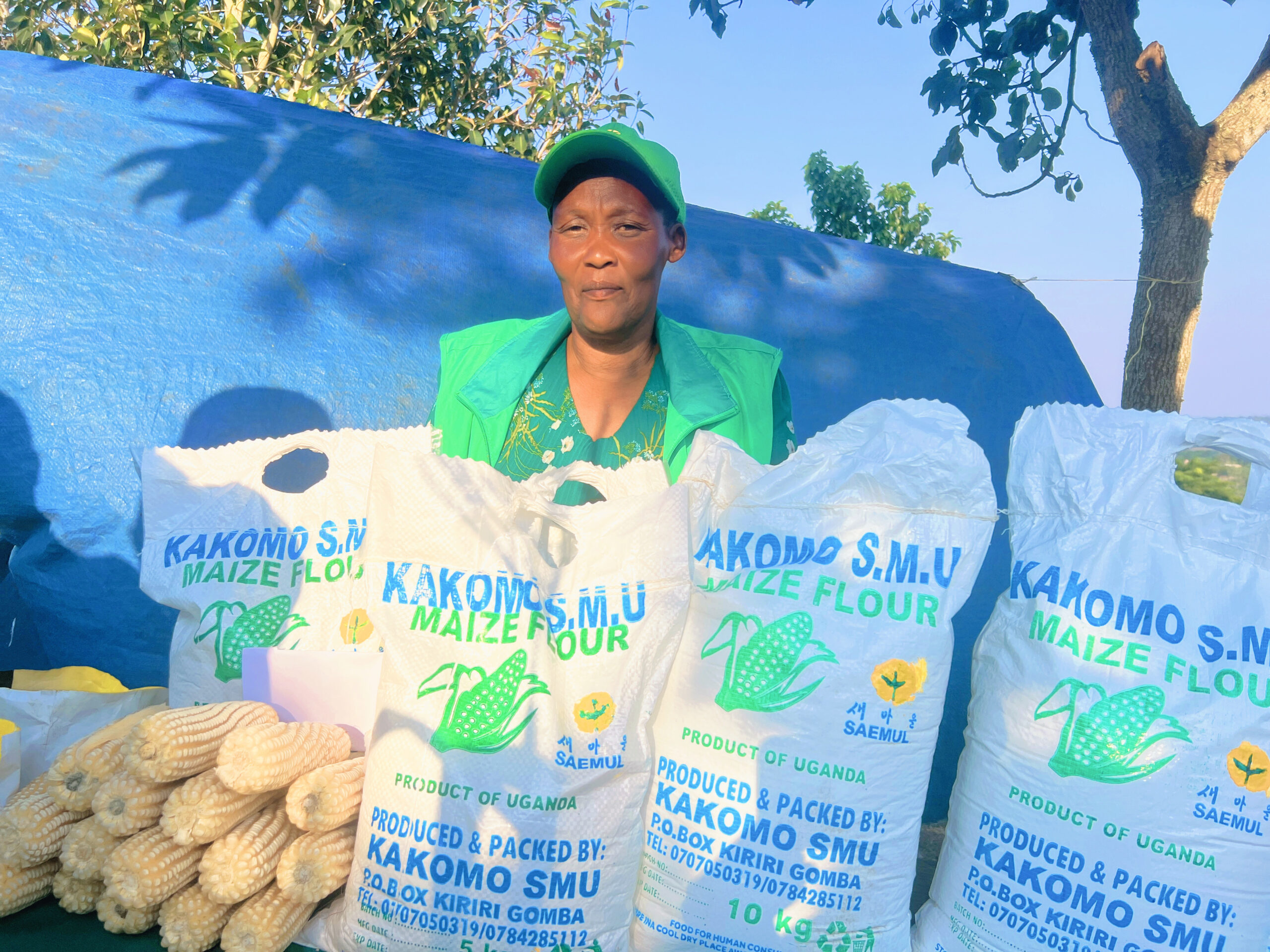
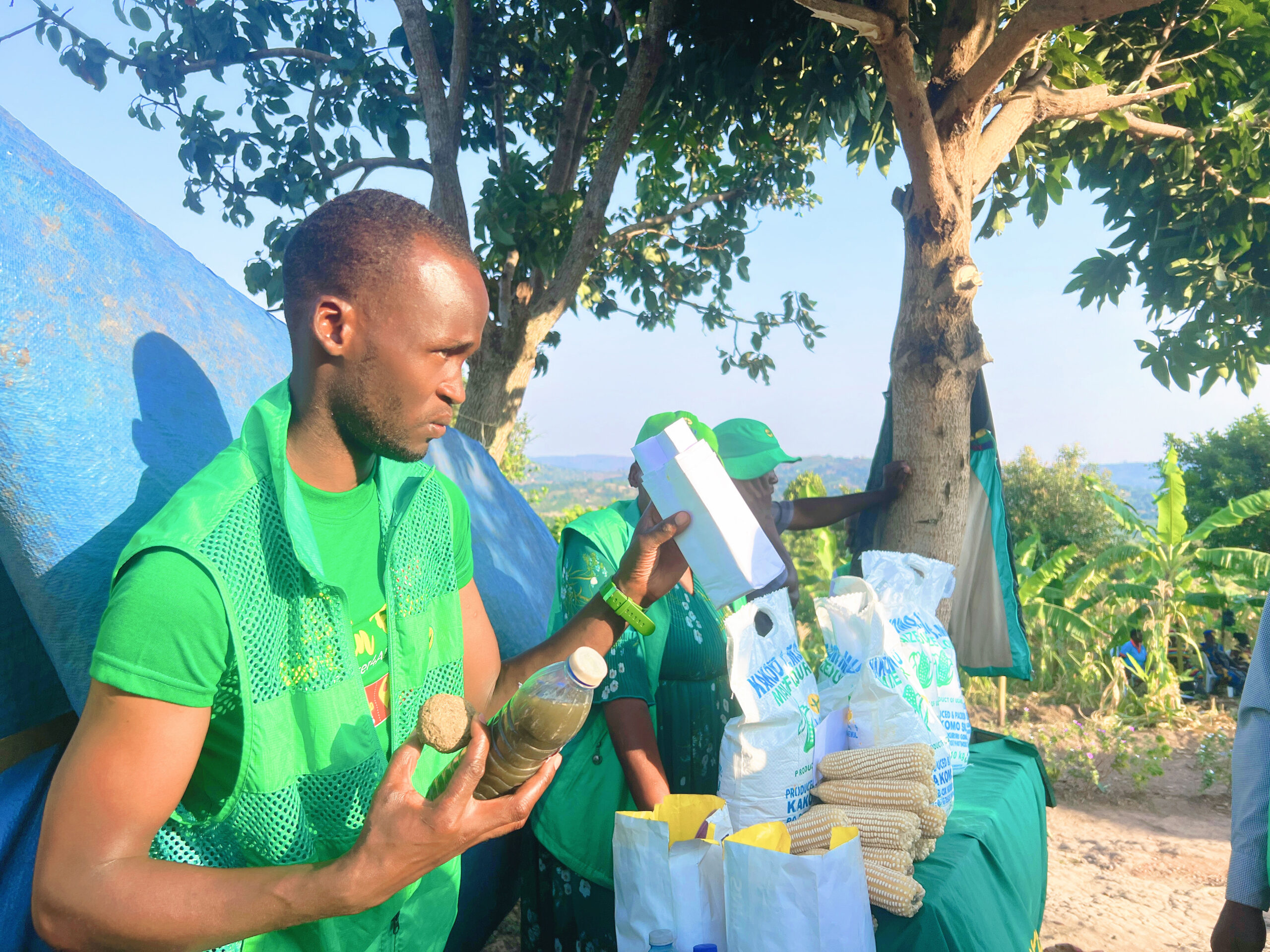
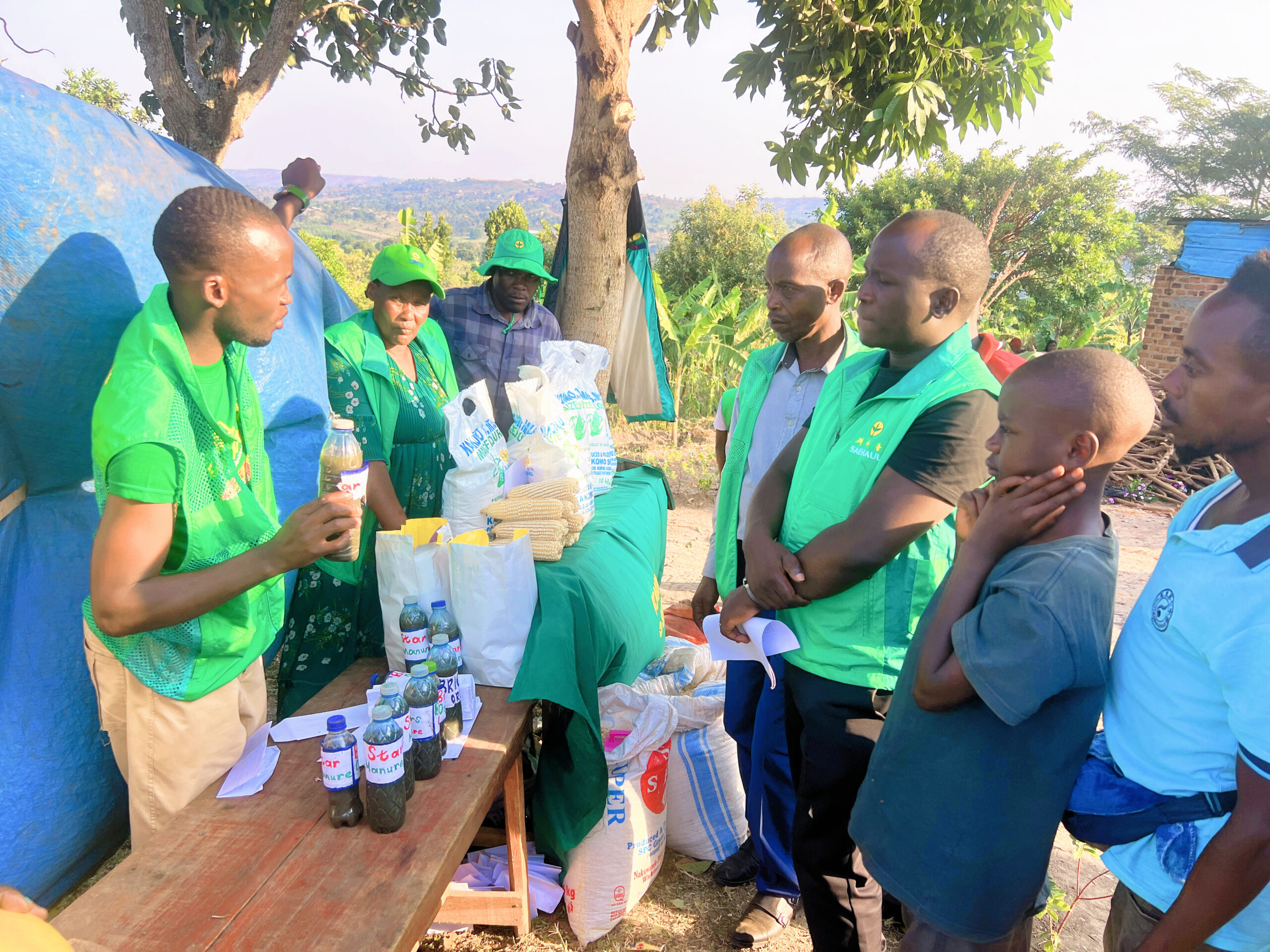
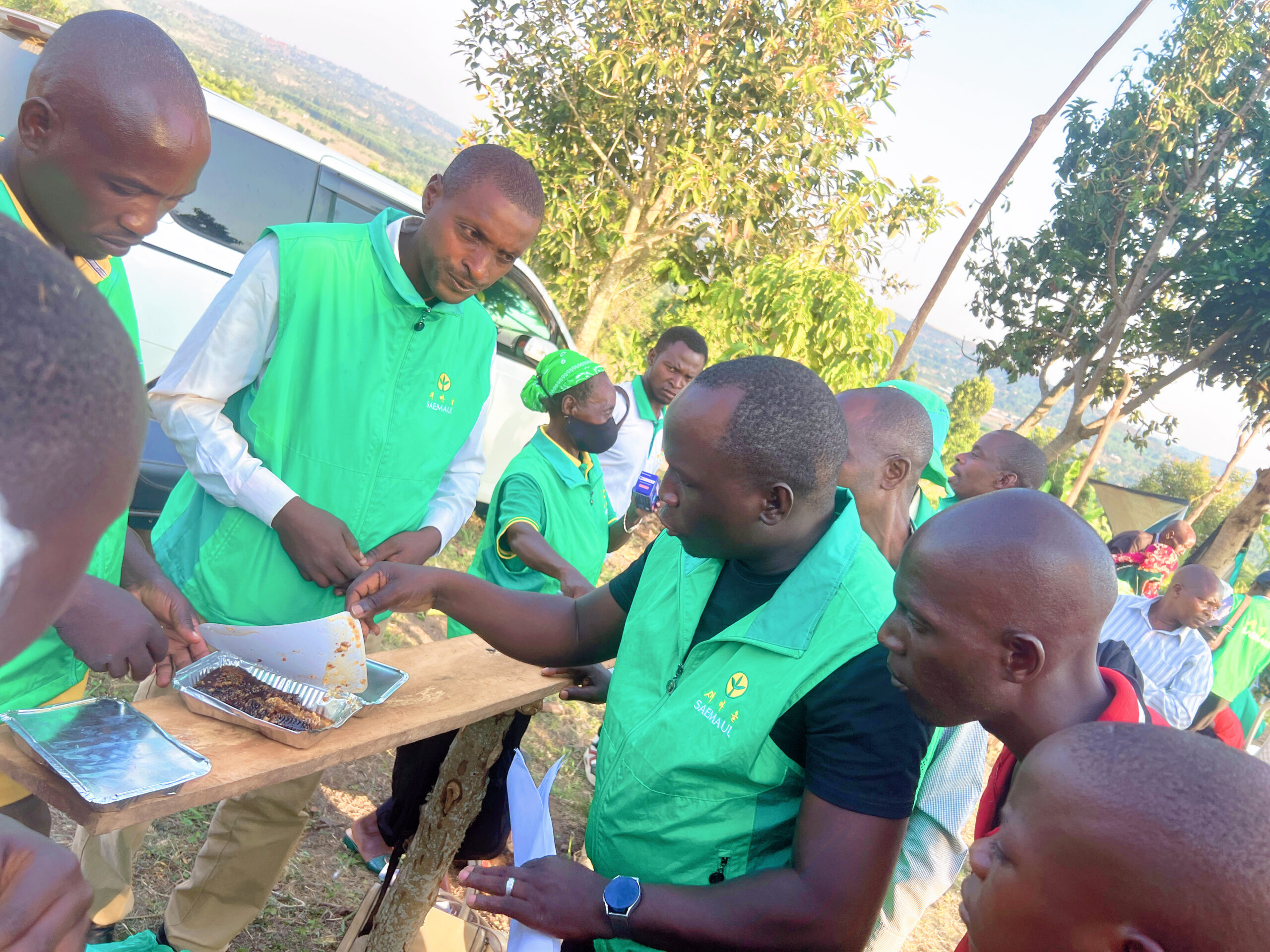
One of the day’s highlights was the district exhibition, where members showcased agricultural produce, crafts, savings initiatives, and other community projects.
In a significant boost to local exhibitors, every product displayed during the exhibition was purchased by fellow members and the visiting Korean guest, providing immediate income while motivating participants to expand their enterprises.
The exhibition demonstrated how the Saemaul philosophy is translating into practical improvements in household livelihoods and local economic development.
A Renewed Commitment to Community Transformation
The event concluded with prayers, cultural performances, and a renewed commitment by members to continue building stronger, cleaner, and more prosperous communities through the enduring values of Diligence, Self-Help, and Cooperation.
As Gomba continues to expand the Saemaul Undong movement across its 17 villages, district leaders expressed confidence that the community-driven approach will remain a key pillar in advancing sustainable development and improving the quality of life for local residents.