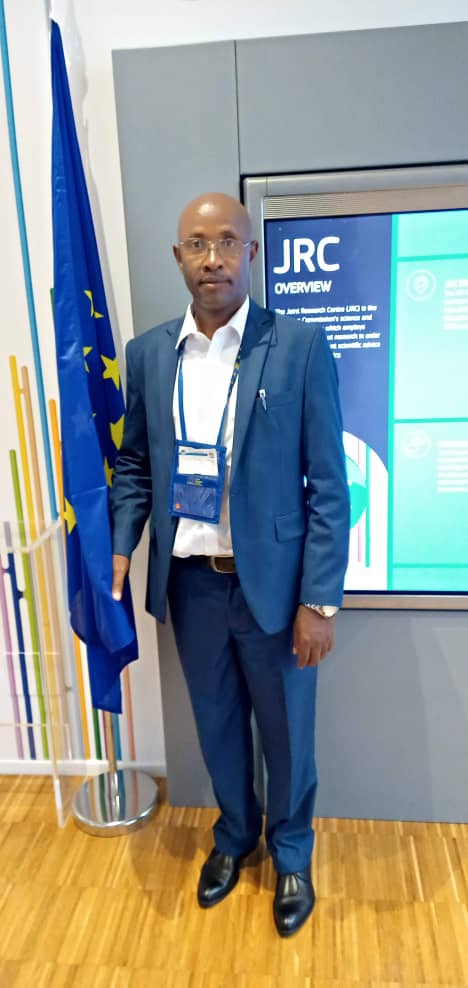

By Dr Damiano Kato Abooki (PhD)
Tel: 0772583829 | 24 October 2026 | Busiro North – Wakiso
1. INTRODUCTION
Education is the foundation of development. In Uganda we have made great progress since 1997 but we still have gaps. Education cannot be left to government alone. It needs parents, community and private sector working together.
2. OUR JOURNEY
In 1997 Uganda introduced Universal Primary Education (UPE). Enrolment moved from 2.5 million to over 8 million. In 2007 we introduced Universal Secondary Education (USE), the first in Africa. These were good policies.
But we have a challenge. Every year we produce about 400,000 USE leavers. Many of them have nowhere to go. University is still expensive and not accessible to all.
3. ROLE OF DIFFERENT STAKEHOLDERS
a) Government
Government makes policy, builds schools, pays teachers, provides capitation and regulates quality through UNEB and NCHE. Government has done well on access. The challenge is quality and funding.
b) Parents
Parents are the first teachers. Their role is to provide materials, feeding, guidance, discipline and follow up of children at home. They should work with schools through Parent Teacher Associations.
Where we have a gap: Some parents think paying fees is enough. They do not check books. In some areas children miss school during digging season. Girl child education still needs more support.
c) Community
Community should own schools. Community should provide support, monitor schools, protect children, and provide local role models. School Management Committees should be active.
Gap: In many places communities are not active. They only come when there is a problem. We need to bring back the spirit of community ownership.
d) Private Sector
Private sector has helped a lot. They educate many children in secondary and university. They invest in infrastructure, innovations and they create jobs for teachers.
They are partners with government in providing education. Government should continue to support them and also ensure standards are maintained in all schools.
4. WHERE GOVERNMENT IS EXPECTED TO INTERVENE
1. Funding: Increase budget for education. Current capitation of 10,000 shillings per child in primary is too low. It should be increased.
2. Teacher Welfare: Improve teacher pay, housing and training. A motivated teacher will teach better.
3. Transition After S6 – Kyankwanzi Political Training: Government is considering taking Senior Six leavers for political training at Kyankwanzi. This is a good initiative that should be supported.
This Kyankwanzi training should not be only political talks. It should include:
– Basic weapon handling and discipline – so youth understand security and responsibility
– Self defence skills – to protect themselves
– Family and life skills – how men, women and children should live together, how to handle family problems
– Domestic insecurity – how to fight domestic violence, how to solve family fights, how to protect women and children at home
– Patriotism, civic duties and national values
This training will help our youth before they go to university or world of work. It will reduce indiscipline, reduce crime and prepare them for family life and national service.
4. Link Education to Production: Every school should have practical skills. Agriculture, ICT, entrepreneurship should be emphasized.
5. Regulation: Ensure all schools meet minimum standards.
5. WHERE WE HAVE FAILED AS A NATION
i) Quality: We increased numbers but quality is still low. Some P6 children cannot read P3 work.
ii) Skills: Many graduates have certificates but no practical skills for jobs.
iii) Values: Education without values is incomplete. We need to teach patriotism, respect, family values, hard work.
iv) Inequality: Children in urban areas get better education than those in remote areas. This gap should be closed.
v) Planning for Youth After S6: We have not had a clear national program for what happens after S6. Many youth remain idle. Idle youth can be a security risk and also cause family problems. That is why the Kyankwanzi idea is important.
6. CONCLUSION
Education is a shared responsibility. Government cannot do it alone. Parents must do their part. Community must own schools. Private sector must continue as partner. Government must increase funding and also implement the Kyankwanzi training for S6 leavers with weapon handling basics, self defence, and training on family matters, domestic insecurity, how to avoid fights between men and women, how to raise children responsibly.
If we do this, we shall produce disciplined, skilled and responsible citizens who can build families and build the nation.