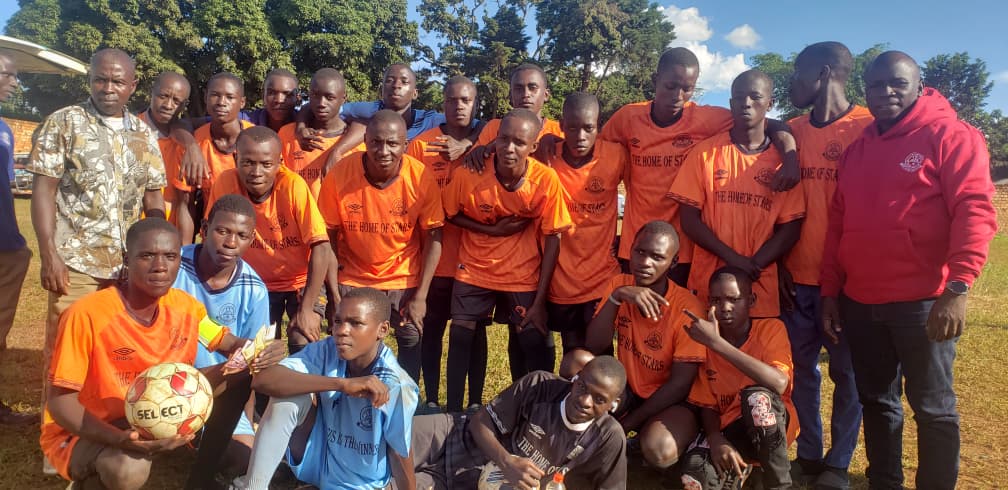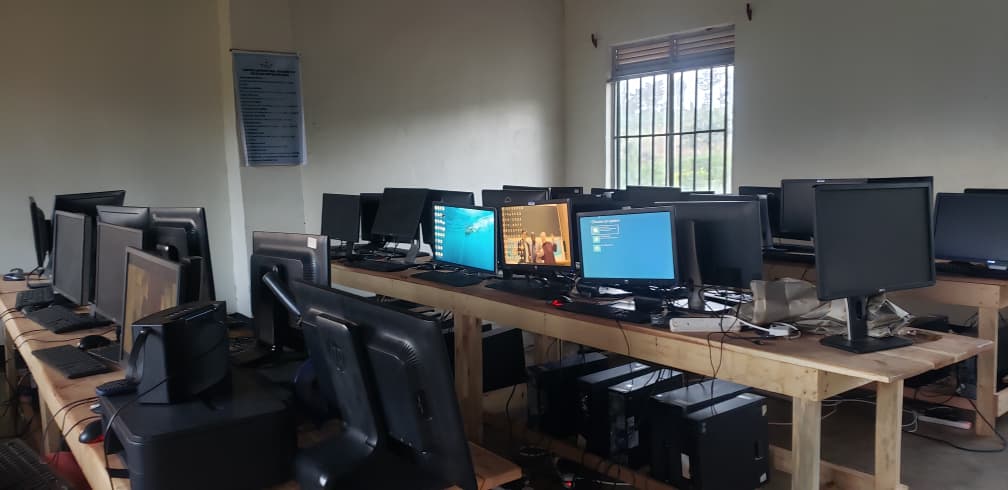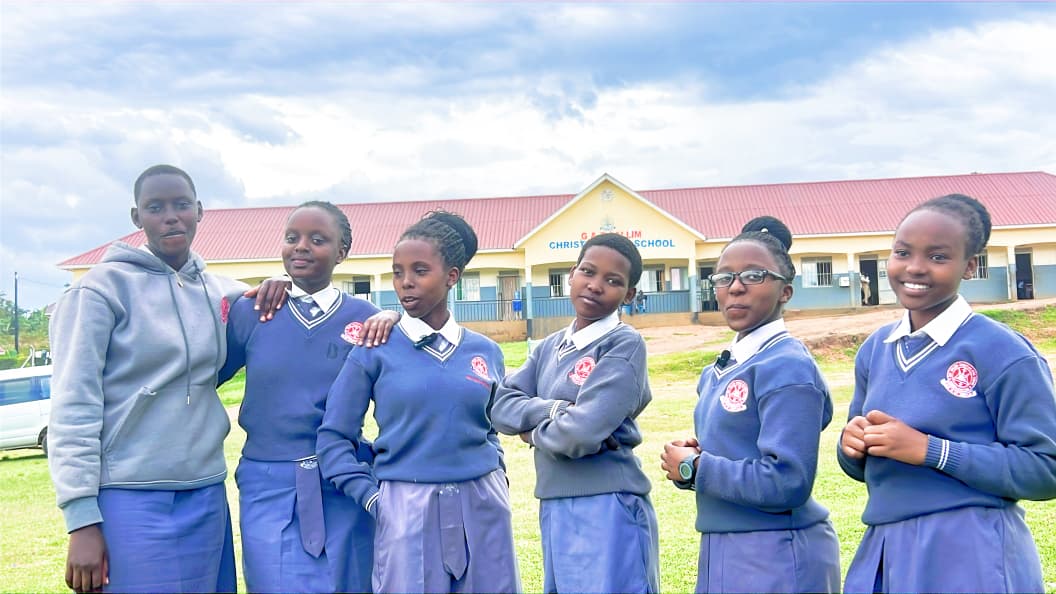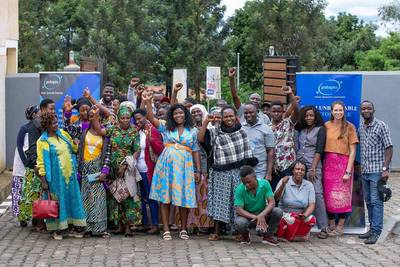
Uganda’s Patapia helps refugee women in Rwamwanja camp, Uganda, launch and grow businesses powered by clean energy. With support to open snack kiosks, hair salons and other enterprises, displaced women have more chances to build a better future.

On World Refugee Day (20 June), climate charity Ashden is urging more support for refugee-led organisations tackling energy poverty.
94% of people living in refugee camps are still without access to reliable and affordable electricity, and millions are forced to use dangerous, polluting cookstoves and fires (source). Proof that short term funding, and the top-down approaches often used by humanitarian agencies, have not delivered sustainable energy access to displaced people.
Ashden’s Director of International Programmes Donald Mavunduse said: “Refugee-led organisations deliver uniquely effective solutions to the energy poverty challenge. They have relevant lived experiences, understand the barriers, and know what works: solutions such as locally-made cookstoves that cut air pollution and deforestation. Crucially, backing refugee-led solutions strengthens local economies too.
“I have witnessed the impact that locally embedded solutions have in camps such as Rwamwanja, Uganda. But even the best of these solutions struggle to get funding and investment, and are not always sufficiently included in a wider humanitarian system that should be supporting their growth.”
“Humanitarian funding is more stretched than ever – but the fact is that climate change will only lead to more displacement in the years ahead.
Ashden calls for:
- Increased funding, and support for refugee-led organisations – recognising their potential impact across communities, such as their ability to create jobs and build skills. This includes redesigning humanitarian funding in ways that is suitable for local organisations.
- A stronger voice for refugees and refugee-led organisations in local decisions about energy access
- Greater recognition and participation of refugee-led organisations at global climate summits and forums, to improve awareness at an international level.
Case study: Uganda’s Patapia supports woman entrepreneurs
Uganda’s Patapia helps refugee women in Rwamwanja camp, Uganda, launch and grow businesses powered by clean energy. With support to open snack kiosks, hair salons and other enterprises, displaced women have more chances to build a better future. Buying equipment such as solar panels, lights, fridges and electric tools is often difficult for refugee entrepreneurs. Many banks are reluctant to lend to refugees, and don’t understand the economic potential of clean energy.
Patapia is a refugee-led organisation that tackles poverty and gender inequality with its affordable loans for clean power products. Patapia technicians check what energy supply and equipment customers will need, and also give training in using and maintaining it.
Women can manage the loans on their phones, and there’s no need for a bank account, collateral or credit history. The organisation also helps women form ‘business families’, entrepreneur groups with five to ten members who provide guarantees and support for each other.
Patapia was co-founded by Geoffrey Omoding and Rebecca Aime, a refugee from the Democratic Republic of Congo. Ms Aime said: “We understand the refugees, and how best we can support. Because we have experienced their problems.
“When I’m supporting my fellow refugees, I share my story. Then they feel free to share their stories. We get to heal and they understand: OK, if my fellow refugees can do this, why not me?”
Patapia is a finalist in the Ashden Award for Powering Refugees and Displaced People. The Ashden Awards celebrate inclusive climate innovation, boosting winning organisations with grants, publicity, and connection to funders and investors. Seven winners of the 2024 Ashden Awards will be announced at the Ashden Awards Ceremony in London on 27 June, a London Climate Action Week event. https://ashden.org/awards/
More examples of refugee-led energy innovation
In Kenya, the following organisations support refugees with clean energy solutions in Kakuma refugee camp:
Kakuma Ventures: empowering refugees with solar-powered wi-fi.
USAFI Green Energy: cookstoves and fuels that protect the environment and reduce dangerous air pollution.
Solar Freeze: solar-powered cold storage for food and medicines.