


By Darious Magara
As Uganda grapples with the challenges of climate change, environmental health has become a pressing concern. Rising temperatures, changing rainfall patterns, and increased extreme weather events threaten the very foundations of this country.
The Perfect Storm
Uganda’s geography makes it vulnerable to climate variability. Located near the equator, the country experiences two rainy seasons, which are crucial for agriculture. However, climate change has disrupted this delicate balance, leading to:
– Droughts in the northeastern regions
– Floods in the western and central areas
– Landslides in the mountainous regions
The health of our ecosystems directly impacts human well-being, making this an urgent conversation as we face significant environmental challenges.
Environmental health encompasses all the aspects of human health influenced by the environment air quality, water safety, sanitation, and the health of ecosystems. In Uganda, the intersection of these factors is increasingly strained by climate change, leading to dire consequences for public health.
Key Environmental Health Challenges
Air Pollution: Urban areas like Kampala are grappling with severe air quality issues due to emissions from vehicles, industrial waste, and burning of refuse. Poor air quality contributes to respiratory illnesses, cardiovascular diseases, and increased mortality rates. Vulnerable populations, including children and the elderly, bear the brunt of these health risks.
Water Quality: Climate change leads to erratic rainfall patterns and prolonged droughts, affecting water supply and quality. Contaminated water sources due to flooding and inadequate sanitation facilities result in outbreaks of waterborne diseases such as cholera and dysentery. Access to clean water remains a persistent challenge, particularly in rural communities.
Vector-Borne Diseases: Changes in climate conditions can alter the habitats of disease vectors. For instance, rising temperatures and shifting rainfall patterns may expand the range of mosquitoes, leading to increased incidences of malaria and other vector-borne diseases. This poses a significant health threat, especially to children and pregnant women.
Food Security and Nutrition: Climate change disrupts agricultural production, leading to food shortages and malnutrition. Poor nutrition exacerbates health issues, particularly in children, where stunting and wasting can have lifelong consequences. Sustainable agricultural practices are essential to mitigate these impacts.
Advocating for Sustainable Solutions
It is imperative to focus on innovative strategies that address environmental health challenges in Uganda. This includes:
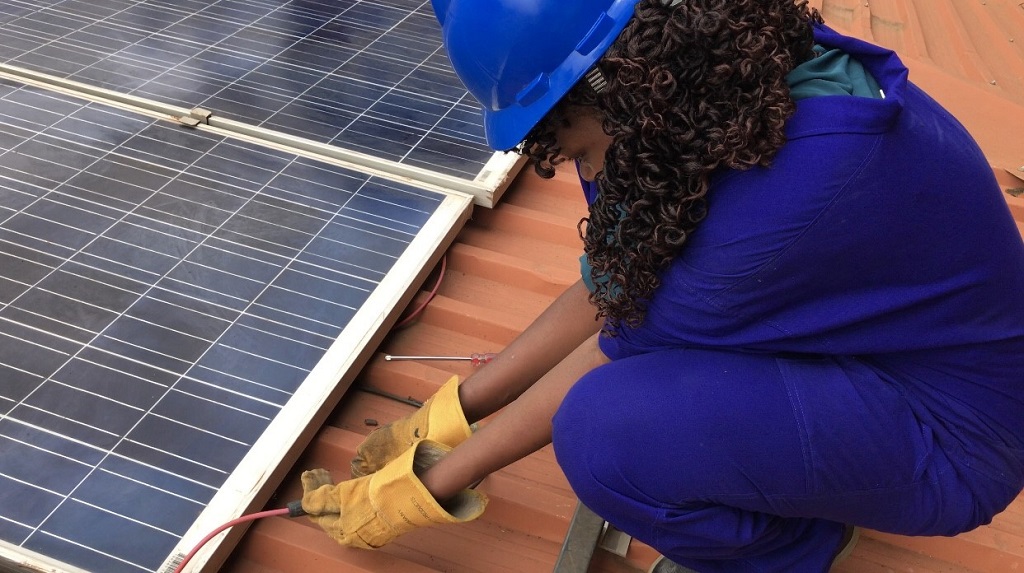
Promoting Clean Energy: Transitioning to renewable energy sources can significantly reduce air pollution and improve public health outcomes.
Enhancing Water Management: Implementing effective water management systems and sanitation facilities can ensure access to clean water and reduce disease risks.
Supporting Climate-Resilient Agriculture: Encouraging sustainable farming practices can improve food security and nutrition while minimizing environmental degradation.
Ecosystem restoration: Preserving natural habitats to maintain biodiversity and ecological balance.
Community engagement: Educating and empowering local communities to adapt to climate change.
In conclusion, sharing insights and solutions, we can work towards a healthier future for our communities and our environment. It is a call to action for Ugandan journalists to be at the forefront of advocating for the health of our people and our planet. Together, we can drive change and inspire a collective response to the pressing environmental health issues facing Uganda today.
About the author;
The writer of the above opinion is a climate change activist and science journalist