Note: I write this reflection in my personal capacity as a Christian minister, scholar, author and concerned Ugandan citizen.
My purpose is neither to defend wrongdoing within the Church nor to deny Mr. Frank Gashumba his constitutional right to question religious leaders and institutions.
Rather, I seek to examine his public allegations, language and arguments through the lenses of biblical truth, intellectual consistency, constitutional principles and responsible public discourse.
I believe that the Church must be accountable to God, its members and the law. Equally, those who publicly accuse religious leaders must be prepared to substantiate their claims and submit their own arguments to reasonable scrutiny.
Truth must never be sacrificed to defend religion, and religious freedom must never be sacrificed in the pursuit of accountability.
INTRODUCTION: THE ISSUE IS GREATER THAN FRANK GASHUMBA
The recent controversy involving Mr. Frank Gashumba and Uganda’s Born-Again Pentecostal churches has generated considerable public discussion about miracles, pastoral wealth, religious exploitation, theological education and the credibility of Christian ministry.
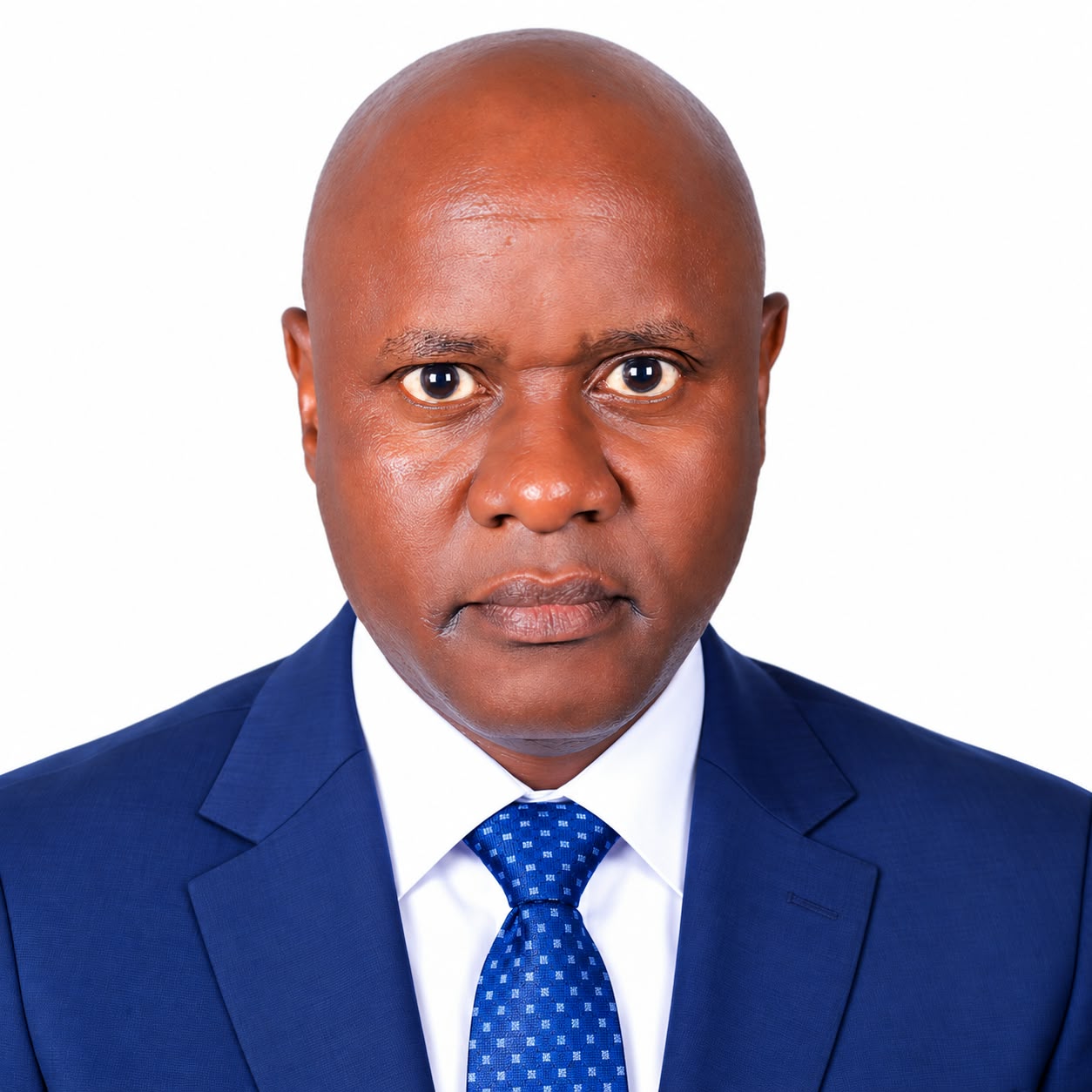
Mr. Gashumba has publicly challenged pastors who claim supernatural healing abilities to demonstrate such healing in hospitals, reportedly increasing his proposed financial reward from UGX 200 million to UGX 500 million.
He has also criticised alleged financial exploitation by religious leaders, questioned the preparation of some Born-Again Pentecostal ministers and used language that has drawn criticism for being derogatory.
These are serious matters deserving serious examination.
However, the debate must not become a contest of personalities, insults or public humiliation.
My starting position is straightforward:
No pastor is above accountability. No public commentator is above scrutiny. And no allegation becomes true merely because it is delivered with confidence or repeated before a large audience.
For clarity, the expression Born-Again Pentecostal Church in Uganda is used here collectively to describe the diverse Pentecostal, charismatic and evangelical congregations commonly identified as Born-Again churches. It does not imply that they constitute one denomination or operate under one governing authority.
- RELIGIOUS EXPLOITATION: THE CHURCH MUST CONFRONT WRONGDOING
Mr. Gashumba has accused certain religious leaders of exploiting vulnerable believers through questionable miracle claims and financial practices.
Such concerns cannot be dismissed simply because they are directed against the Church.
Scripture itself condemns religious exploitation.
Ezekiel 34 rebukes shepherds who enrich themselves while neglecting their flock. Second Peter 2:3 warns against false teachers who exploit believers through deceptive words. First Peter 5:2–3 instructs spiritual leaders to serve without dishonest gain.
The Bible therefore provides no justification for financial manipulation, coercive giving, fabricated miracles or abuse of spiritual authority.
Nevertheless, serious accusations require evidence.
Who is accused? What misconduct is alleged? What evidence supports the accusation? Have those accused been given a fair opportunity to respond?
There is a fundamental difference between exposing misconduct by an identifiable pastor and portraying an entire religious community as fraudulent.
The wrongdoing of one pastor cannot establish the guilt of every other pastor.
We must never defend wrongdoing because it occurs inside the Church. Equally, we must never condemn innocent ministers through association.
- PUBLIC INSULTS AND THE DIGNITY OF PASTORS
One of my serious concerns regarding Mr. Gashumba’s public statements is the derogatory language reportedly used in his criticism of Born-Again Pentecostal pastors.
Public reporting has described his use of expressions including miyayu, crooks, thugs and quacks.
The Luganda expression emiyaayu, when directed at people in this context, conveys contempt and may suggest that they are rogues or dishonest individuals.
I acknowledge that Mr. Gashumba has also explained that his criticism is directed at fraudulent religious leaders rather than Christianity or every pastor.
That clarification matters.
Nevertheless, language that appears to condemn pastors collectively can damage the reputations of innocent ministers, even where the speaker subsequently explains that only dishonest individuals were intended.
The right to expose wrongdoing does not require the humiliation of an entire religious community.
There is a difference between alleging that a particular pastor has committed identifiable misconduct and using language that leaves the public with the impression that Born-Again Pentecostal pastors generally are thieves.
The first is an allegation that can be investigated. The second risks becoming an unfair generalisation.
Ephesians 4:29 encourages responsible speech, while James 3:9–10 warns against destructive use of the tongue.
The Church must apply the same principle to its own leaders.
Pastors who respond to Mr. Gashumba through insults, threats or predictions of harm should also be challenged.
We cannot demand respectful treatment for pastors while excusing disrespectful treatment of their critics.
Criticism should expose wrongdoing, not manufacture collective guilt.
- THE UGX 500 MILLION MIRACLE CHALLENGE
Mr. Gashumba’s challenge to pastors who claim supernatural healing powers raises a legitimate question about the verification of extraordinary claims.
Where a preacher claims that a patient has recovered from a medically diagnosed illness, requesting reliable medical evidence is reasonable.
Christian integrity should encourage truthful testimony.
However, there is a theological distinction between believing that God heals and claiming that a particular minister can heal anyone on demand.
First Corinthians 12:9–11 presents spiritual gifts as distributed according to the will of the Holy Spirit.
Christian theology therefore does not require every pastor to demonstrate miraculous healing whenever challenged.
Matthew 4:5–7 also records Jesus rejecting a staged demand to demonstrate divine protection.
Nevertheless, biblical teaching must never be used to shield false healing claims from scrutiny.
We must distinguish three questions:
- Does Christian theology teach that God can heal?
- Did a particular reported healing actually occur?
- Can a particular preacher produce healing whenever challenged?
A financial challenge cannot conclusively disprove divine healing. Equally, an unverified testimony cannot conclusively establish that a miracle occurred.
Specific healing claims should be examined responsibly, and patients must never be discouraged from obtaining appropriate medical treatment.
- PASTORAL WEALTH AND FINANCIAL ACCOUNTABILITY
Mr. Gashumba has questioned religious leaders whose personal wealth appears substantial, especially where their ministries depend heavily upon contributions from believers.
Financial accountability is essential.
However, personal wealth alone does not establish dishonesty.
A pastor may legitimately earn income through business, employment, inheritance or other lawful activities.
The important questions concern the source of funds, the representations made to donors, the management of church resources and the effectiveness of financial oversight.
First Corinthians 9:13–14 recognises legitimate material support for ministry. First Timothy 6:5–10 warns against greed and the misuse of religion for financial gain.
Both teachings must be respected.
The true test of financial integrity is not whether a pastor is wealthy or poor, but whether resources are acquired, managed and used honestly and responsibly.
- CATHOLIC PRIESTS AND BORN-AGAIN PENTECOSTAL PASTORS
Mr. Gashumba has reportedly compared Catholic priests favourably with Born-Again Pentecostal pastors, particularly concerning theological education.
His concern about ministerial preparation deserves attention.
Pastoral ministry requires biblical understanding, ethical judgment, counselling, leadership and institutional accountability.
Born-Again Pentecostal churches should strengthen theological education and ministerial standards wherever these are inadequate.
However, denominational identity cannot automatically establish the competence or moral superiority of an individual minister.
Formal education is valuable, but academic qualifications alone do not guarantee integrity, humility or faithful service.
Likewise, the absence of a university degree does not automatically establish that a minister is dishonest or incapable.
The question is not which denomination deserves superiority, but what standards of knowledge, character, competence and accountability every Christian minister should uphold.
- SEEKING BLESSINGS FROM DECEASED PARENTS
Another statement attributed to Mr. Gashumba raises an important theological question.
According to an account of a recent public gathering, he encouraged unmarried men and women to seek blessings from their mothers while they are alive and, where their mothers have died, to visit their graves and seek blessings.
I have not independently verified the original recording or its precise wording. I therefore raise this as a reported statement requiring clarification, not as an established quotation.
The Bible commands children to honour their parents (Exodus 20:12). It also records parents blessing their children in Genesis 27 and Genesis 48.
Honouring living parents, seeking their counsel and receiving their prayers is consistent with biblical principles.
However, remembering deceased parents is different from seeking supernatural intervention from them.
Visiting a mother’s grave to remember her life and honour her memory is not equivalent to asking her to grant spiritual blessings.
Deuteronomy 18:10–12 condemns practices involving consultation with the dead. Isaiah 8:19 challenges seeking spiritual guidance from the dead rather than turning to God.
Christian traditions differ in their understanding of prayer and the departed. The intended meaning of the reported statement must therefore be established before drawing conclusions about Mr. Gashumba’s beliefs.
If the statement was symbolic, that should be acknowledged.
If it was intended literally as advice to obtain supernatural blessings from deceased parents, it raises biblical and evidentiary questions.
If pastors are expected to explain their claims about supernatural healing, other public speakers should also be prepared to explain the basis of spiritual claims they make.
The same standards of intellectual honesty must apply to everyone.
- RELIGIOUS FREEDOM UNDER UGANDA’S CONSTITUTION
Uganda’s Constitution protects freedom of expression and freedom of religion.
Article 29(1)(a) protects freedom of speech and expression, while Article 29(1)(c) protects the freedom to practise religion and participate in religious organisations consistently with the Constitution.
Article 21 provides for equality before the law and protection against discrimination, including discrimination on religious grounds.
Article 43 addresses constitutional limitations on fundamental rights and freedoms.
Mr. Gashumba has the right to question religious practices, criticise pastors and challenge claims made in the name of Christianity.
Born-Again Pentecostal Christians likewise have the right to practise their faith, establish lawful religious institutions and respond to criticism.
Neither religious office nor freedom of expression creates immunity from lawful scrutiny.
Criticism of religious leaders does not automatically constitute persecution of Christianity.
Equally, threats, intimidation, discrimination or unlawful interference with worship cannot be justified merely by describing them as criticism.
Religious freedom must never become a shield for fraud, and the fight against fraud must never become an excuse for religious discrimination.
- PUBLIC INFLUENCE CARRIES PUBLIC RESPONSIBILITY
Public influence carries ethical responsibilities.
Serious allegations can affect reputations, livelihoods and public confidence in religious institutions.
It is therefore essential to distinguish verified facts from allegations, suspicions and opinions.
Criticism is most constructive when it identifies particular conduct, presents relevant evidence and gives those accused a fair opportunity to respond.
The same standard applies to Born-Again Pentecostal pastors responding to Mr. Gashumba.
Personal insults, threats and spiritual intimidation are not substitutes for reasoned answers.
First Peter 3:15 encourages Christians to explain their faith with gentleness and respect.
Public influence should be exercised with intellectual honesty, restraint, fairness and willingness to accept correction.
- THE BORN-AGAIN PENTECOSTAL CHURCH MUST EMBRACE REFORM
This controversy should encourage serious reflection within Born-Again Pentecostal churches.
Where financial systems are weak, they should be strengthened.
Where ministerial training is inadequate, it should be improved.
Where vulnerable congregants are exposed to exploitation, credible safeguards and complaints procedures should be established.
Where misconduct is established, appropriate disciplinary and legal action should follow.
Churches should promote transparent stewardship, ethical leadership, safeguarding, responsible theological education and institutional accountability.
We do not defend the Gospel by defending every person who claims to preach it. We defend Christian witness by upholding truth, justice, integrity and accountability.
- QUESTIONS THAT DESERVE PUBLIC ANSWERS
I believe the following questions deserve consideration:
- What verifiable evidence supports particular allegations of financial exploitation or fabricated miracles?
- How should genuine religious misconduct be distinguished from theological disagreement?
- Does the UGX 500 million challenge examine particular healing claims, or is it being presented as a test of divine power itself?
- What fair standards of theological education, financial stewardship and ethical conduct should apply across Christian denominations?
- If the reported advice about seeking blessings at deceased mothers’ graves is accurate, what was its intended meaning and theological basis?
- How can Uganda protect both freedom of expression and freedom of religious practice?
- Are public commentators and religious leaders equally prepared to accept scrutiny, correction and accountability?
These questions are intended to encourage serious examination rather than personal hostility.
CONCLUSION: LET TRUTH PREVAIL OVER PERSONALITY
The controversy surrounding Mr. Frank Gashumba and Uganda’s Born-Again Pentecostal churches should not become a contest of insults, popularity or public humiliation.
The issues are too important.
If a pastor has exploited believers, let credible evidence be presented and appropriate action taken.
If a public allegation is inaccurate, let it be corrected.
If churches have weaknesses in governance, let those weaknesses be addressed.
If religious rights are unlawfully interfered with, let constitutional protections be upheld.
And if Christians are called upon to defend their faith, let them do so with sound biblical reasoning, integrity and respect.
I believe Uganda needs religious institutions that are accountable, public commentators who are responsible, and government institutions that administer justice impartially.
The Church must not hide behind religion to escape accountability. Its critics must not hide behind freedom of expression to escape scrutiny.
The ultimate question is not whether Mr. Gashumba or any particular pastor wins a public argument.
It is whether truth, justice, religious freedom and human dignity are advanced.
Truth must be defended with evidence. Faith must be practised with integrity. Freedom must be exercised with responsibility.


May Uganda become a society in which faith, reason and constitutional freedom contribute to justice, responsible leadership and the protection of human dignity.
Rev. Dr. Samuel Elijah Kibirige
Christian Minister, Scholar and Author
19 October 2026
REFERENCES
Scripture: Exodus 20:12; Genesis 27; Genesis 48; Deuteronomy 18:10–12; Isaiah 8:19; Ezekiel 34; Matthew 4:5–7; 1 Corinthians 9:13–14; 1 Corinthians 12:9–30; 1 Timothy 6:5–10; 1 Peter 3:15; 1 Peter 5:2–3; 2 Peter 2:3; Ephesians 4:29; James 3:9–10.
Constitution: Constitution of the Republic of Uganda, 1995, as amended, Articles 21,29 & 43.
Contemporary reporting: October 2026 coverage by Pulse Uganda, Daily Monitor, Uganda Media Centre and Watchdog Uganda concerning Gashumba’s public criticism of religious leaders.
Editorial clarification: The reported statement about seeking blessings at deceased mothers’ graves remains unverified against the original recording and is discussed conditionally.
Personal public reflection by Rev. Dr. Samuel Elijah Kibirige. This article does not represent the official position of any church, ministry or religious organisation.