

Nestled on the eastern shores of Lake Albert, Buliisa District was once an agricultural-driven community where fishing and farming were the lifeblood of its residents. However, the discovery of oil has changed the face of this formerly known as a remote district into the limelight, bringing change and development.
Buliisa’s transformation began in 2006 when surveys revealed significant oil reserves under its soil which caused mixture of excitement and worry among locals many of whom had never imagined that their homeland held such valuable resources.
Today, Buliisa district stands as a potential drawing in investors, policymakers, and development projects.
Mr Allan Atugonza the Buliisa district Member of Parliament say, the roads that were once dusty and barely passable have been tarmacked and expanded to accommodate the heavy machinery and increased traffic flow.
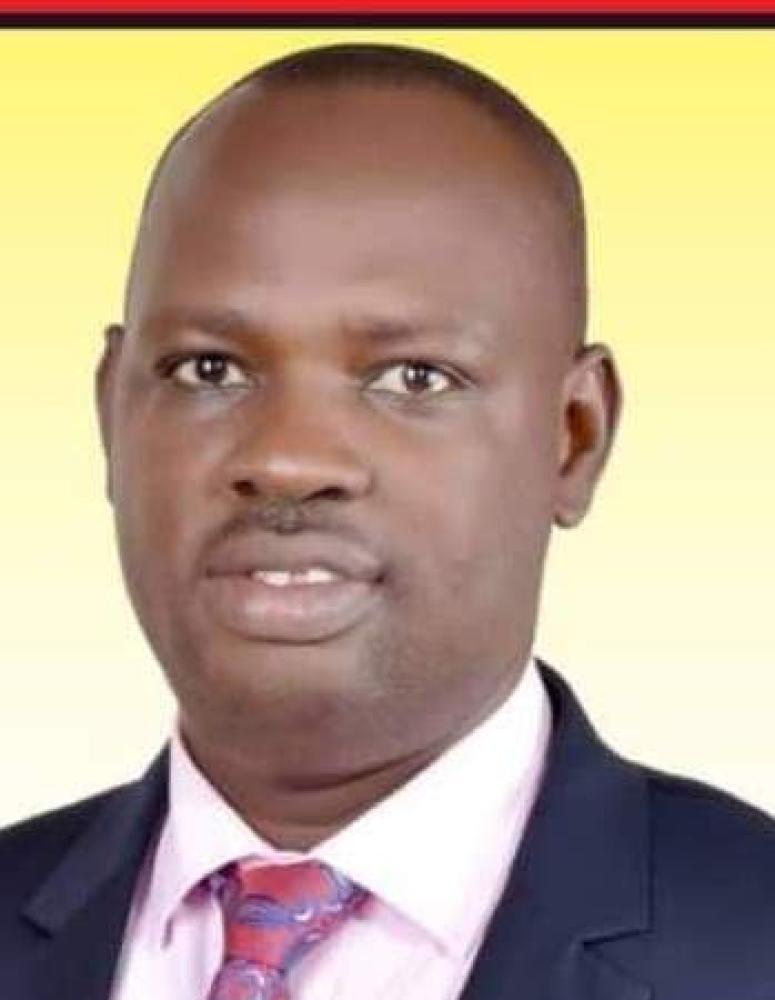
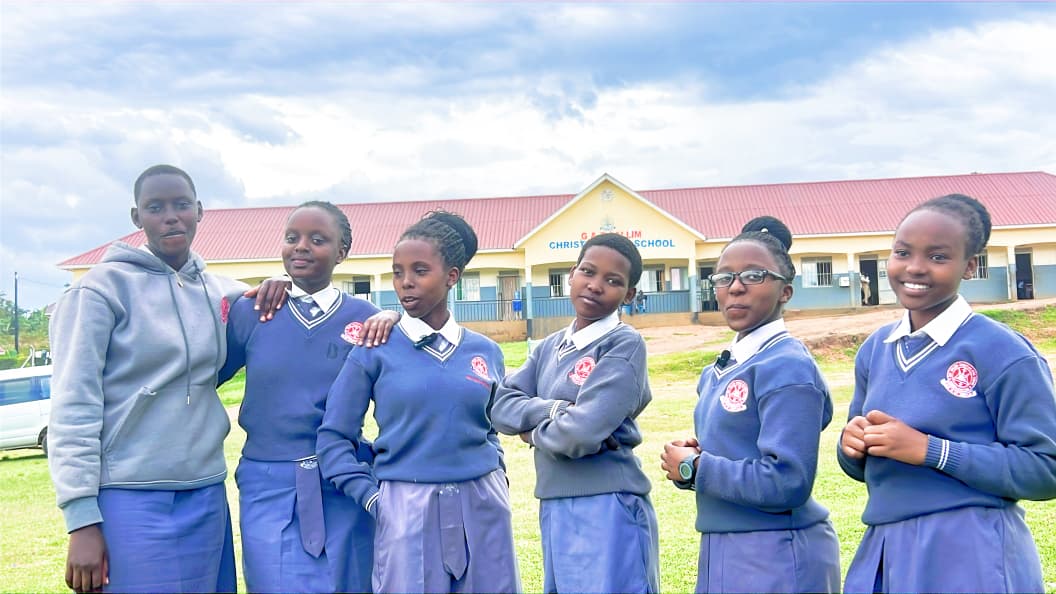
Mr Atugonza adds that, the district now boasts modern healthcare facilities, new schools, and improved water supply systems, all funded by the revenue generated from oil exploration and production as access to quality healthcare was a major challenge and now with the new hospitals and clinics, we can get medical attention without having to travel long distances,” Mrs Nyangoma say.
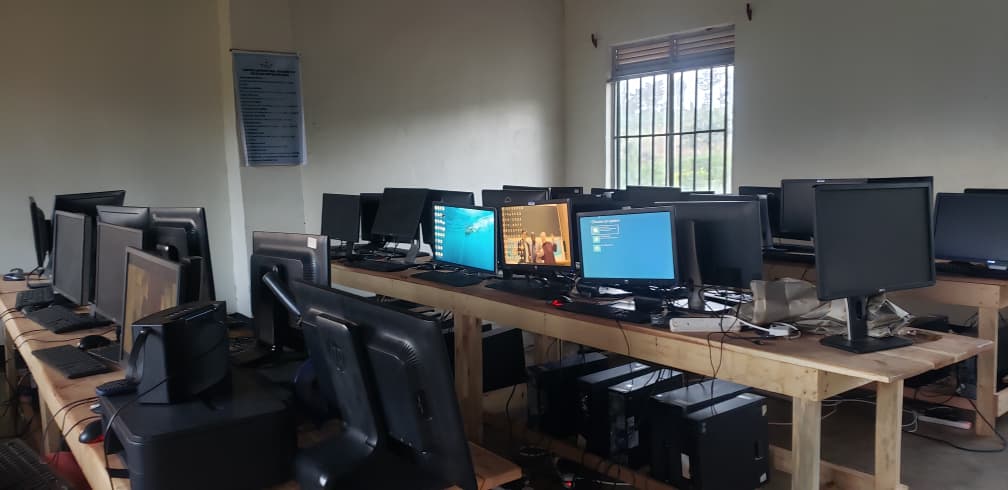
“We still see education Scholarships and training programs funded by oil revenues which has opened doors for many young people, enabling them to pursue careers in engineering, environmental science, and business. This focus on education is seen as a long-term investment in the district’s sustainable development” Mr. Atugonza said.
Mr. Augustus Bigirwenkya one of the Buliisa’s project affected person say they were relocated and others compensated which changed their lives and now are living in better housing conditions.
Mr Bigirwenkay adds that, there are economic opportunities coming out of better living conditions such as local businesses thriving due to increased demand for goods and services, and job opportunities in the oil sector which has provided stable incomes for many families as also the influx of workers and professionals from other regions has brought a cosmopolitan flair to the once-isolated community, fostering a melting pot of cultures and ideas.
“The local government, in collaboration with environmental groups, has implemented stringent regulations to mitigate these risks. Additionally, there have been efforts to ensure that the benefits of oil wealth are equitably distributed, addressing the concerns of marginalized groups and promoting community-led development projects”Mr Bigirwenkya said
Mr. Bigirwenkya adds that, the social fabric of Buliisa has also experienced a shift as traditional practices and lifestyles are evolving as the younger generation embraces new opportunities and perspectives paving the way for innovative solutions to local challenges, blending the wisdom of the past with the promise of the future.
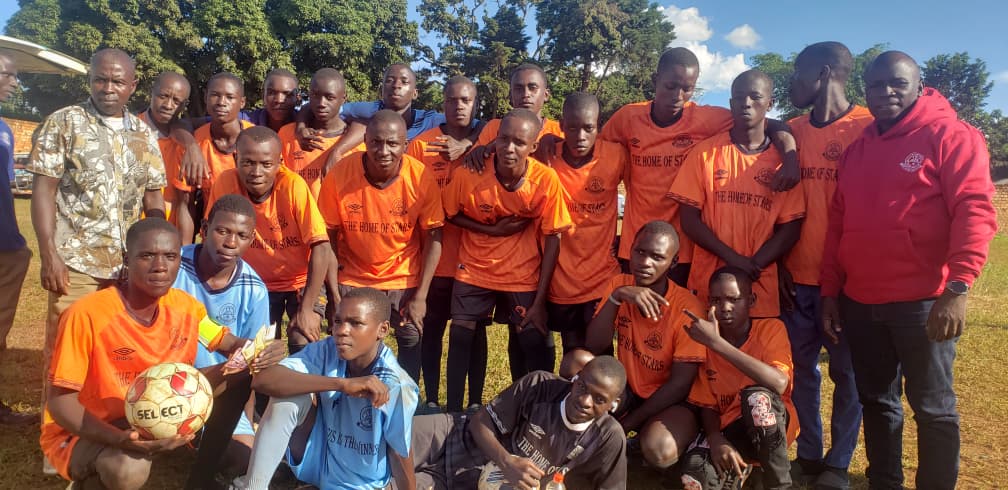
Since 2012, Total Energies EP Uganda (TEPU) corporate social responsibility initiatives have directly and indirectly impacted and benefited over 500,000 people by enabling access to improved healthcare, quality education, encouraging environmental stewardship through tree planting and facilitating adoption of solar lighting, promoting youth inclusion by supporting football leagues in our communities. Over ten years, TEPU has invested over $4.4 million in Corporate Social Responsibility (CSR) initiatives, and our investment will continue to increase following the start of the development phase of the Tilenga Project.
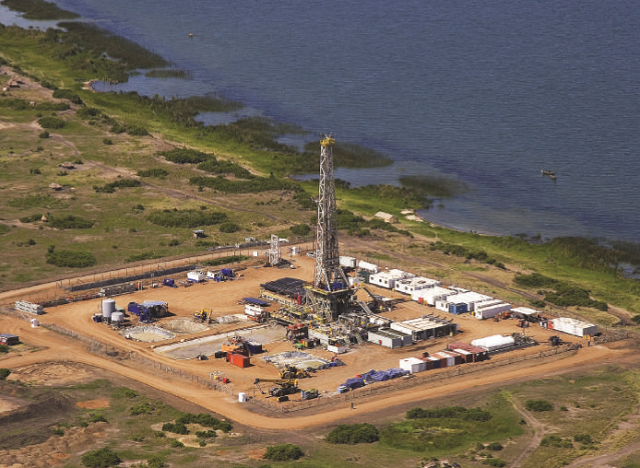
Our major focus is on the operational areas of Buliisa and Nwoya districts and secondary in Pakwach, Nebbi, Hoima, Masindi, Kikuube plus also at national level. CSR initiatives are selected from local development priorities that align with TEPU’s thematic focus
Electricity infrastructure has also seen an upgrade as the rural electrification program, boosted by the revenue from oil, has extended power lines to remote areas that had been in darkness for decades.
“We used to rely on kerosene lamps, which were not only expensive but also hazardous. Now, with electricity, our children can study at night, and we can preserve our produce for longer periods,” says Mrs Jane Aine, a farmer from Biiso town council in buliisa district.
Mrs Jane Aine adds that, access to clean water has historically been a challenge in rural areas , with many communities relying on seasonal streams and rudimentary wells. The oil exploration has catalyzed the construction of boreholes and water purification systems, ensuring a steady supply of clean water to both urban and rural populations.
“The new water systems have been a game-changer for us. We no longer have to walk long distances to fetch water, and the incidence of waterborne diseases are not common in our areas”Mrs Jane added