
AFTER 40 YEARS OF NRM LEADERSHIP: WHAT UGANDA SHALL OUR CHILDREN INHERIT?
A Personal Reflection on Sacrifice, the Detention of Senior Military Generals, and the Future of Our Nation

Forty years after the National Resistance Movement (NRM) came to power, I believe the time has come for our leaders to engage in serious national reflection. Not merely about the Uganda we have built, but more importantly, the Uganda we want our children and grandchildren to inherit over the next forty years.
We are at a crossroads, and I am increasingly concerned about the uncertainty surrounding our country’s future.
Within approximately the past year, we have witnessed an extraordinary wave of arrests and detentions involving serving and retired UPDF generals and other senior military officers. Some have subsequently been released, while others remain in custody or face judicial proceedings.
Among those affected are men who have held some of the highest positions in our country’s military and security establishment.
To the best of my recollection, we have never witnessed such a concentration of arrests involving senior military commanders within such a short period during the previous decades of NRM leadership.
This development raises questions that deserve thoughtful national examination.
What exactly is happening within the military establishment? Are we witnessing a determined effort to strengthen discipline and accountability, or are these developments exposing deeper challenges within our security and governance institutions? What do they mean for institutional stability, military cohesion, justice and the future of Uganda?
Certainly, nobody should be above the law, regardless of military rank or past service. Equally, no citizen should be denied justice, dignity or constitutional protection merely because they have fallen under suspicion.
Arrest is not conviction. Detention is not justice. And accountability must never be separated from due process.
These developments touch me personally because I know something about the price Uganda paid for its liberation.
I was a young boy when the National Resistance Army (NRA) struggle began. Three of my elder siblings joined and participated throughout the five-year struggle. The rest of us, still children, became internally displaced, moving from place to place in search of safety.
We witnessed suffering, killings and the loss of family members, neighbours and friends. We grew up carrying frightening memories of war, alongside the painful accounts our parents shared about the years of Idi Amin Dada.
I remember the stories of people murdered, burned with hot tar, or thrown into drums of acid, sometimes simply because they were suspected of being rebels or knowing their whereabouts.
Some of us may never appear in Uganda’s history books, but our families paid a painful price for the peace, stability and development that Uganda has experienced over the past forty years.
This is why the present developments awaken such deep concerns within me.
I do not write to condemn our national leadership, defend wrongdoing, or undermine legitimate military discipline. I write as someone whose family lived through the struggle, who understands the meaning of sacrifice, and who believes that the true value of liberation must ultimately be measured by what future generations inherit.
Our leaders must ask themselves difficult questions.
If the men who once commanded our security institutions are increasingly finding themselves under arrest, what does this tell us about the institutions we have built? And what lessons must we learn before the next generation takes responsibility for this nation?
Forty years should be sufficient experience to teach us that lasting national stability cannot depend on individuals alone. It must be anchored in strong institutions, justice, constitutionalism, accountable leadership and the peaceful management of disagreements.
Many of us may never live to see the next forty years. But the blood of our ancestors flowing through our veins will continue flowing through our children and grandchildren.
And therein lies our greatest responsibility.
We must never allow the sacrifices of yesterday to become the fears of tomorrow.
The greatest honour we can give those who fought, suffered and died for Uganda is to ensure that our children will not have to fight the same battles, endure the same suffering, or live under the same fears.
History will not merely ask how long the NRM governed Uganda or how much development was achieved.
It will also ask whether, after forty years, we built a nation strong enough to guarantee justice, preserve peace, protect human dignity and inspire confidence in generations yet unborn.
Uganda belongs not only to those who liberated it or those who govern it today, but also to the millions of children yet to be born.
The Uganda of the next forty years is being shaped by the decisions, actions and omissions of today’s leadership.
May wisdom prevail over fear, justice over suspicion, institutions over personalities, and our shared national future over individual interests.
For the Uganda we leave behind will ultimately speak louder than the history we celebrate.
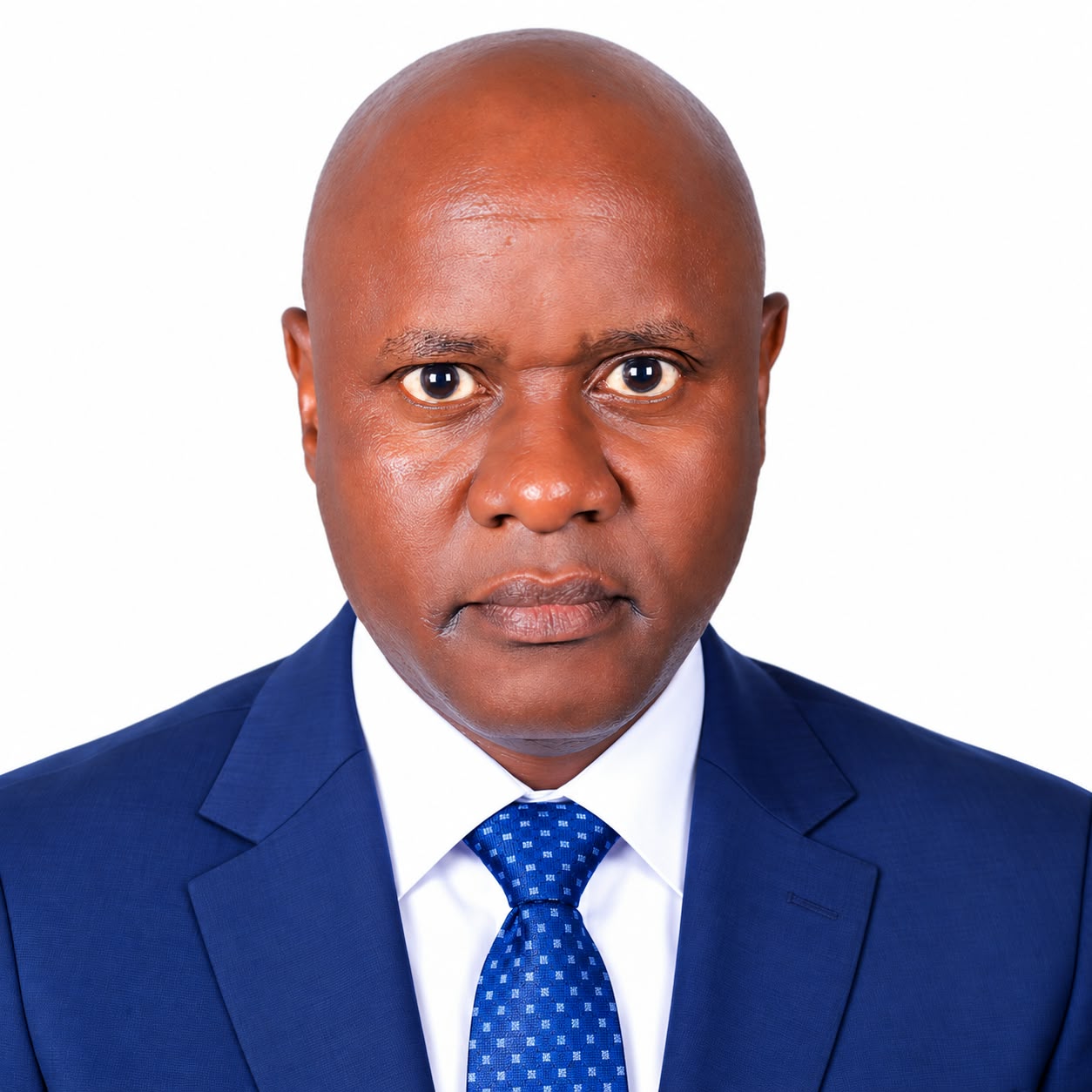
Rev. Dr. Samuel Elijah Kibirige
Brother to the late Col. Richard Kiwanuka Ssembogga
Son of Late Samwiri Kibirige and Mrs. Rosemary Namawejje Kibirige (Maama Richard), Muzzukulu wa Mbukuuli Bukedde Kirumira,
Kuffu, Kirema-Semuto, Nakaseke District, Uganda.