


The strength you never knew you had. You never know how strong you are until being strong is the only choice you have.
Life has a way of placing you on moments we never asked for like heart breaks, betrals, loosing dear ones, silence, sickness,
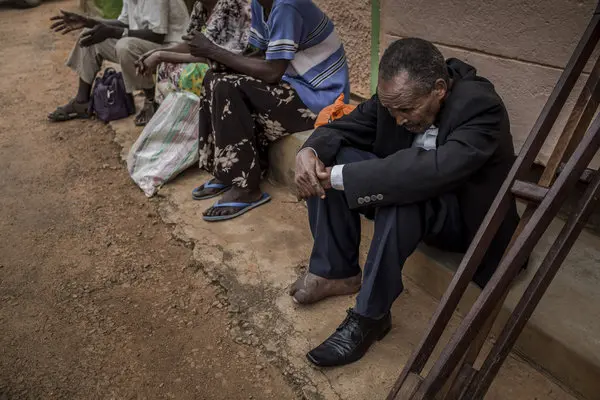
this makes the heart feel heavier than words. In those moments you feel like breaking, like you won’t survive, the pain continues. But some how you keep going, you wake up even when ur heart feels is tired. You smile even when your mind is full of memories. You continue walking even when every step feels heavy. That’s the strength not the kind poeple celebrate loudly, but the quiet strength that lives inside a wounded heart that refuses to give up.
One day you will look back this painful chapter and realize something powerful. The pain didn’t destroy you. It only revealed how strong you are because sometimes life doesn’t show your strength until you have no other choice but to go through it.
Stay strong cerebrate your inner strength, healing is a process and a journey, heart breaking teaches a lesson. In every situation that is hard remember nothing is permanent it will come to pass.
Dr. Ahimbisibwe Gad Rugaju’s words resonate deeply, highlighting the quiet strength within us that emerges in tough times.

Analysis:
The passage speaks to resilience, urging readers to recognize their inner strength, often revealed in adversity. It acknowledges pain, heartbreak, and struggles but emphasizes survival and perseverance. The message encourages embracing this “quiet strength” and viewing hardships as transformative.
Biblical Story: Joseph’s Journey (Genesis 37-50)
Joseph’s story mirrors the passage’s themes. Sold into slavery, falsely accused, and imprisoned, Joseph faced immense pain. Yet, he kept going, trusting God. Eventually, he rose to Egypt’s leadership, saving many, including his family.
Key Parallels:
1. Unasked-for moments: Joseph didn’t ask for hardship, but it came.
2. Strength in hardship: He rose above, trusting God.
3. Healing is a process: Joseph’s journey was long, but he found purpose.
4. The pain didn’t destroy him: It led to greater impact.
Encouragement:
Like Joseph, you’re stronger than you know. Hardships reveal your resilience. Trust the process, keep going, and remember: “We know that in all things God works for the good of those who love him” (Romans 8:28).
Dr. Rugaju’s words echo this truth. Your story isn’t defined by pain but by strength and survival.
Resilience is like a muscle that grows stronger with challenges. It’s the ability to bounce back, adapt, and thrive amidst adversity. Here are some insights:
– Resilience isn’t about avoiding struggles; it’s about navigating them. It’s not about being immune to pain but learning to move forward.
– It’s a process, not a destination. Healing, growth, and learning take time.
– Your environment matters. Surround yourself with positivity, supportive people, and healthy habits.
– Focus on what you can control. Let go of what you can’t.
– Self-care isn’t selfish. Take care of your physical, emotional, and mental well-being.
Some powerful examples of resilience include:
1. President Yoweri Kaguta Museveni, he started the guerrilla war with 27 guns and around 41 soldiers, including himself, in 1981. The group, known as the National Resistance Army (NRA), launched their attack on Kabamba Military Barracks with the aim of capturing more arms and sparking a popular rebellion against the government of Milton Obote.
The initial 27 guns were partly provided by Col. Julius Chihandae, who had stolen them from Gulu military barracks. Despite being outnumbered and outgunned, the NRA’s guerrilla tactics and local support eventually led to their victory and Museveni’s rise to power in 1986.
2. Jesus Christ, he had 12 disciples, also known as apostles, who were his closest followers and students. They played a crucial role in spreading his teachings and message after his death and resurrection.
The 12 disciples were:
1. Peter
2. Andrew
3. James (son of Zebedee)
4. John
5. Philip
6. Bartholomew (also known as Nathaniel)
7. Thomas
8. Matthew (the tax collector)
9. James (son of Alphaeus)
10. Simon (the Zealot)
11. Judas Iscariot (who betrayed Jesus)
12. Matthias (replaced Judas after his betrayal)
Jesus’ mission was spiritual liberation, offering salvation and eternal life to humanity through his sacrifice and resurrection.
3. Malala Yousafzai, who survived a brutal attack and continues to advocate for girls’ education.
4. Nelson Mandela, who endured 27 years in prison and emerged to lead South Africa towards reconciliation.
Building resilience:
1. Practice gratitude.
2. Develop problem-solving skills.
3. Cultivate a support network.
4. Learn from failures.
5. Take care of your physical and mental health.
The above opinion was written by Dr. Ahimbisibwe Gad Rugaju (PhD)
(Deputy Resident District Commissioner, Kanungu district).
+256772912643
www.amanetug.com