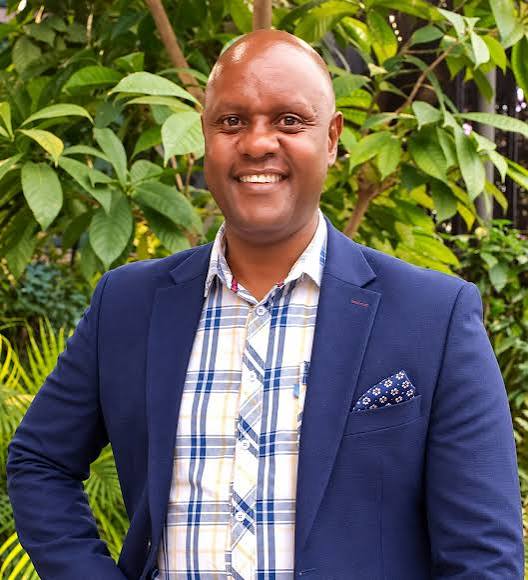

By Rev. Dr. Samuel Elijah Kibirige
I was born during the reign of Field Marshal Iddi Amin Dada. Some of the first questions Uganda gave me were questions a child should never have to ask. Why were people being killed? How could one human being treat another with such cruelty? How could a place be home one day and a place you had to leave the next?
War separated our family. Three of my elder siblings joined the struggle, and I grew up without my father’s presence. With attacks coming again and again, we ran from place to place almost every day. We endured the downpours of the rainy season and the fierce heat of the sun. Even when we reached another place, we had no idea how long we would be able to stay.
There was so much I could not understand. I knew what it meant to miss my father. I knew what it meant to run again when I wanted to stay. The war stirred up hatred and left bitterness that could outlast the fighting. I lived with its effects long before I had words for what it was doing to me.
After the war, I was taken to an army school. Some of our teachers were soldiers. The way they were treated deepened the trauma I already carried. As a pupil, I looked to my teachers to help me make sense of the world. Instead, I found myself trying to make sense of what was happening to them. Who could speak for the men who stood before us in the classroom when their own dignity was disregarded?
That question has stayed with me. When Ugandans talk about power, I find myself thinking about the person who has the least room to object. Can that person speak and be heard? If I learn that we disagree politically, will I care just as much about what happens to them?
WHAT A PEACEFUL TRANSITION MEANS TO ME
I understand why someone who remembers war might hear the word change and think first of what could be lost. I also understand why another Ugandan might hear the same word and think of a chance to be heard. I want us to sit together long enough to hear what each person fears and what each person hopes for.
When I think of a peaceful transfer of power, I picture ordinary things. A citizen votes according to conscience and goes home safely. An outgoing leader can leave office without fear of revenge, and any questions about decisions made in office are heard through a fair process. A soldier continues serving Uganda with dignity after the government changes. The next morning, children go to school and find their teachers there.
The work of making that morning possible begins while leaders are still in office. It begins when an official can hear a difficult question, when public institutions apply the same rules to people with influence and people without it, and when citizens defend the rights of someone whose politics they do not share.
As a Christian minister, I believe every person bears the image of God. That conviction asks something of me when the person being mistreated holds views I find difficult to bear. Would I speak with the same urgency for that person as I would for a friend? I have to answer that question before I ask it of anyone else.
I am a father now. When I think of the boy I was, I think of how often he had to leave and how much he wanted his family together. I want our children to know a Uganda where they can ask a difficult question without lowering their voices, where their parents can disagree about who should lead, and where a change of government gives no family a reason to run.
In my next reflection, I want to take up the question that follows me from that childhood into our public life: What would it take for Ugandans who disagree about who should govern to trust the same institutions to protect them?
Rev. Dr. Samuel Elijah Kibirige
Kuffu-Kirema, Semuto- Nakaseke District (Luwero Triangle)