
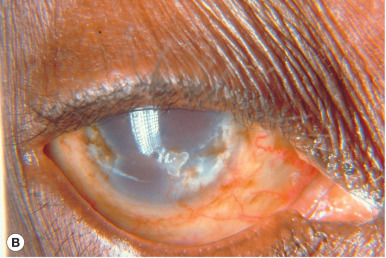
Three East African States are working jointly to eliminate (River Blindness) onchocerciasis.
The State Minister for Health, Margaret Muhanga, has commended health Authorities in east African region for all effort they are making to eradicate River Blindness in the region.
Ms. Muhanga observed that approximately 2.9 million people in East African region are infected with the parasite that causes onchocerciasis (River Blindness), with more than 40 million at risk of the disease in Uganda, Democratic Republic of Congo and the South Sudan.
The Minister, who was represented by the Director Public Uganda, Dr. Henry Mwebesa, was opening the 5th session of the Uganda Onchocerciasis elimination expert advisory Committee meeting in Kampala Uganda.
The meeting brings together experts on River blindness from the three Eastern African Countries, the Carter Centre and the World health organisation. Other partners include the United Sates Aid for International Development and RTC.
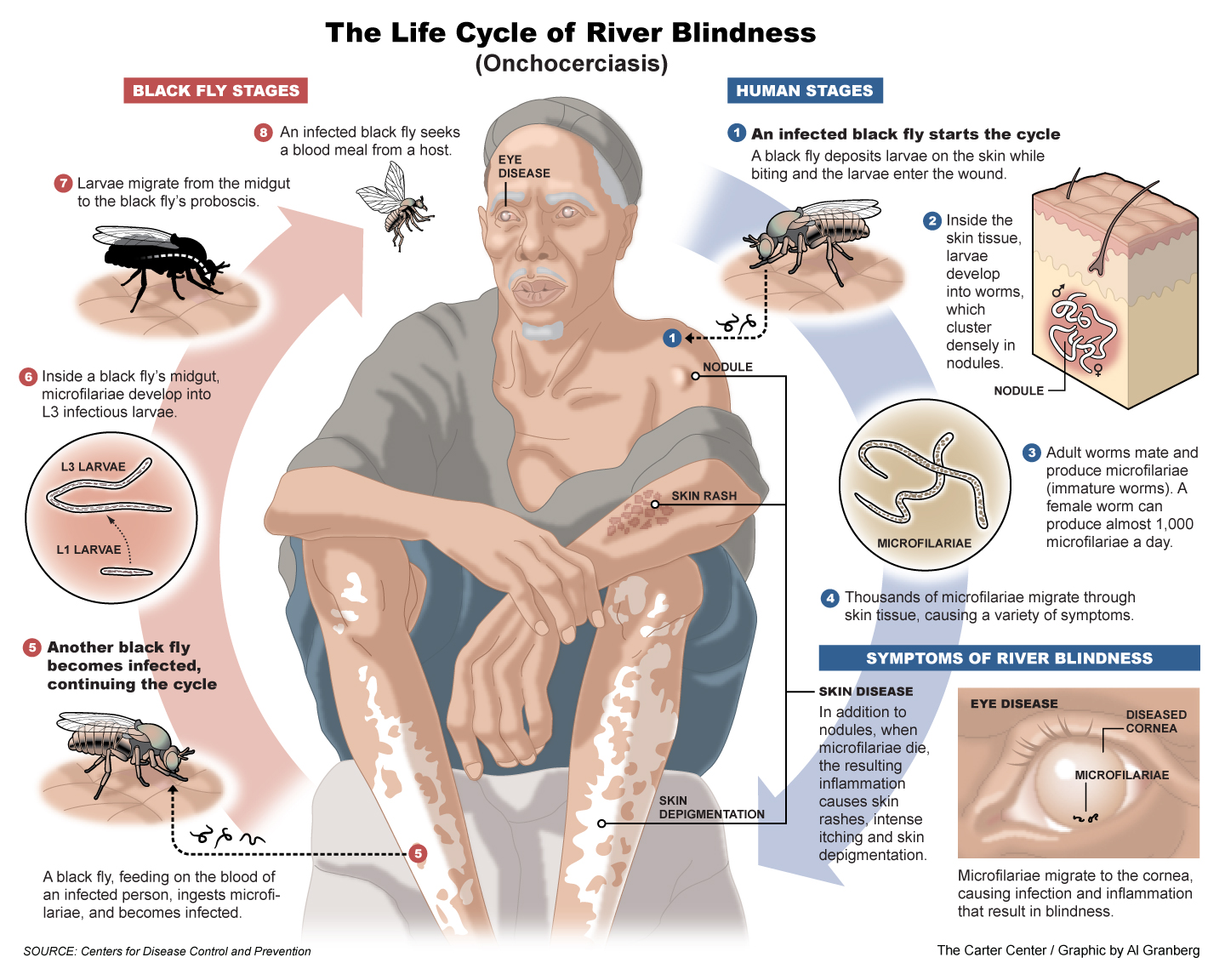
The disease is called river blindness because the blackfly that transmit the infection lives and breeds near fast flowing stream and rivers, mostly near remote rural villages. The flies transmit juvenile worms, or microfilariae, into the host causing severe itching, skin lesions, impaired vision, and, eventually, blindness.
The most affected regions in the East Community are Northern Uganda, North and Southern Provinces of Kivu in the Democratic Republic of Congo and The South Sudan.
Dr. Hypolith Sangala, delegate from Northern Kivu in the Democratic Republic of Congo, said that the black flies that are to blamed for the disease do know no know political boundaries thus river blindness elimination requires strong cross boarder collaboration to avoid transition.
Thirty-year-old Annamaria Akiidi, a mother of six children and lives in a small village in Lamwo district of Uganda. Her eyes are cloudy and seem permanently fixed on a distant pointbreaks of river blindness or onchocerciasis, Akiidi has been blind for over six years now.
Akiidi told Eastaricanwatch.net that she started experiencing pin in her ayes in 2008.She visited Gulu Referral Hospital for treatment in 2011 and was referred to Mulago National Referral Hospital in Kampala.
‘’At Mulago Hospital, I had no idea what the doctor was saying when he diagnosed my problem as River blindness, -I either suspected I had been bewitched or it was something from the nearby river water, my family uses for drinking and domestic use’’. Akiida said.
The Carter Canter, an American Charity Organisation that was set up by former United States President Jimmy Carter, currently works to eliminate river blindness in the following in the EST African Region.
The Director Carter Centre Onchocerciasis Elimination, explained that the Centre is working hard in collaboration with the respective Eastern country’s health Ministries, to successfully eliminate river blindness in the region.
The World Health Organization says that, onchocerciasis is the second major infectious cause of blindness in Africa, behind cataracts. The Global Burden of Disease Study estimated in 2017 that there were 20.9 million prevalent River blindness infections worldwide;