

Climate change is an existential threat that transcends national borders, impacting communities, ecosystems, and economies worldwide. Uganda, a country rich in biodiversity and natural resources, faces significant challenges due to climate change. The impacts are felt through erratic weather patterns, increased frequency of droughts and floods, and a decline in agricultural productivity. To address these pressing issues, strong climate change leadership and action are crucial.

Uganda is classified as one of the most vulnerable countries to climate change, largely due to its reliance on rain-fed agriculture, which employs a significant portion of the population. The agricultural sector is central to the economy, contributing to food security and livelihoods. However, changing climatic conditions threaten this sector, leading to food shortages and increased poverty.
Despite these challenges, Uganda has shown potential in climate leadership at both local and international levels. The government has made commitments under various international frameworks, including the Paris Agreement, and has developed national policies aimed at climate resilience and sustainability. However, there is still much work to be done.
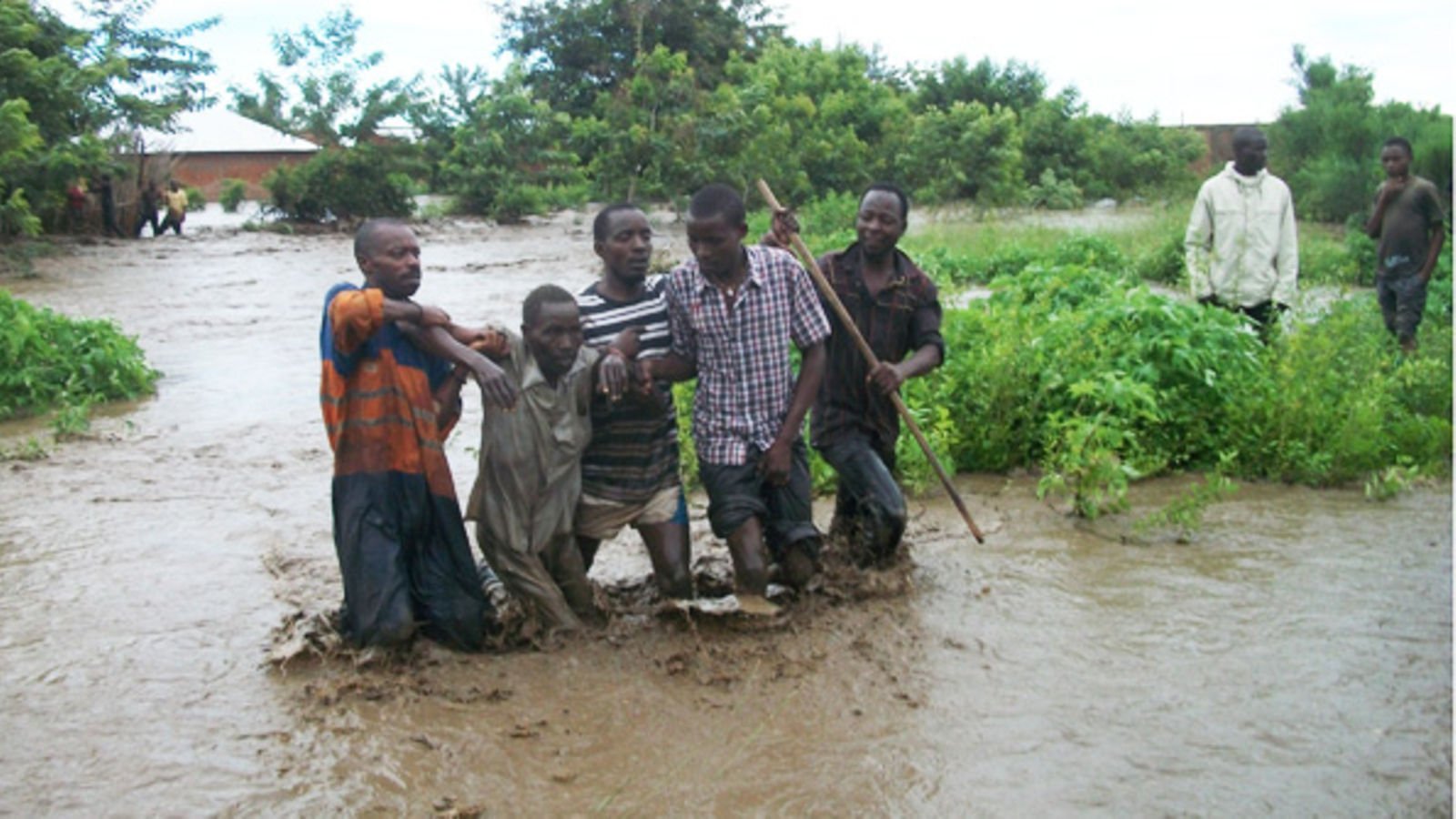
Effective climate change leadership in Uganda must involve a multi-faceted approach that includes government, civil society, and private sector engagement. First, the government must prioritize climate change in its national agenda, integrating it into all sectors of development. This involves not only policy formulation but also effective implementation and monitoring. Current policies need to be more ambitious, with clear targets and a transparent framework for accountability.
Raising awareness about climate change and its impacts is another critical area where leadership is needed. Educational programs aimed at different segments of the population, especially the youth, can foster a culture of environmental stewardship. Schools and universities should incorporate climate education into their curricula, preparing future leaders to tackle these challenges head-on.
Moreover, public campaigns can engage communities in sustainable practices, such as tree planting, waste management, and water conservation. By cultivating a sense of ownership and responsibility towards the environment, Ugandans can collectively contribute to mitigating climate change.
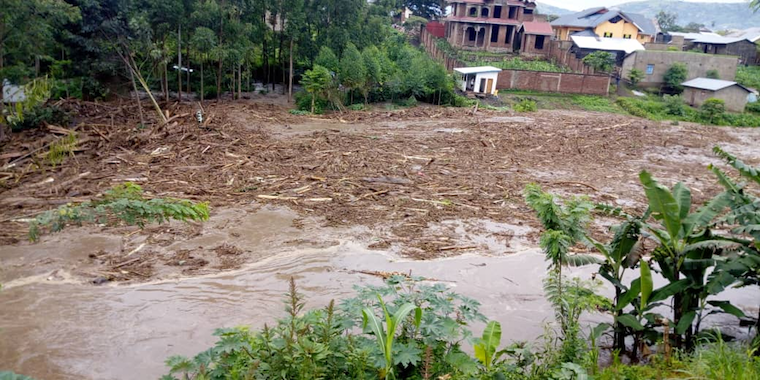
Financial resources are essential for effective climate action. Uganda, like many developing nations, faces challenges in mobilizing the necessary funding for climate initiatives. The government should seek to leverage international climate finance, but it must also prioritize domestic resource mobilization. Public-private partnerships can play a significant role in financing climate resilience projects, from renewable energy initiatives to sustainable agriculture practices.
Furthermore, supporting local businesses and entrepreneurs in green technologies can stimulate economic growth while addressing climate issues. Innovations in agriculture, such as drought-resistant crops and efficient irrigation systems, can be pivotal in building resilience against climate change.
In conclusion, Uganda stands at a critical juncture in its fight against climate change. Strong leadership is essential for developing and implementing effective strategies that address the unique vulnerabilities of the country. By prioritizing climate change in national development plans, empowering local communities, raising awareness, and securing financial resources, Uganda can pave the way for a sustainable future. This is not just a responsibility for the government; it requires collective action from all sectors of society. Together, through effective leadership and collaboration, Uganda can not only mitigate the impacts of climate change but also emerge as a regional leader in climate resilience and sustainability.
The above opinion was written by Darious Magara (A journalist and climate change activist)