


After nearly 20 years of waiting since 2006, Uganda is set to extract its first oil from the Tilenga and Kingfisher fields in July 2026. The debate has shifted. It is no longer about whether oil exists, but about who will benefit and at what level.
With first oil only three months away, attention has turned to local participation.
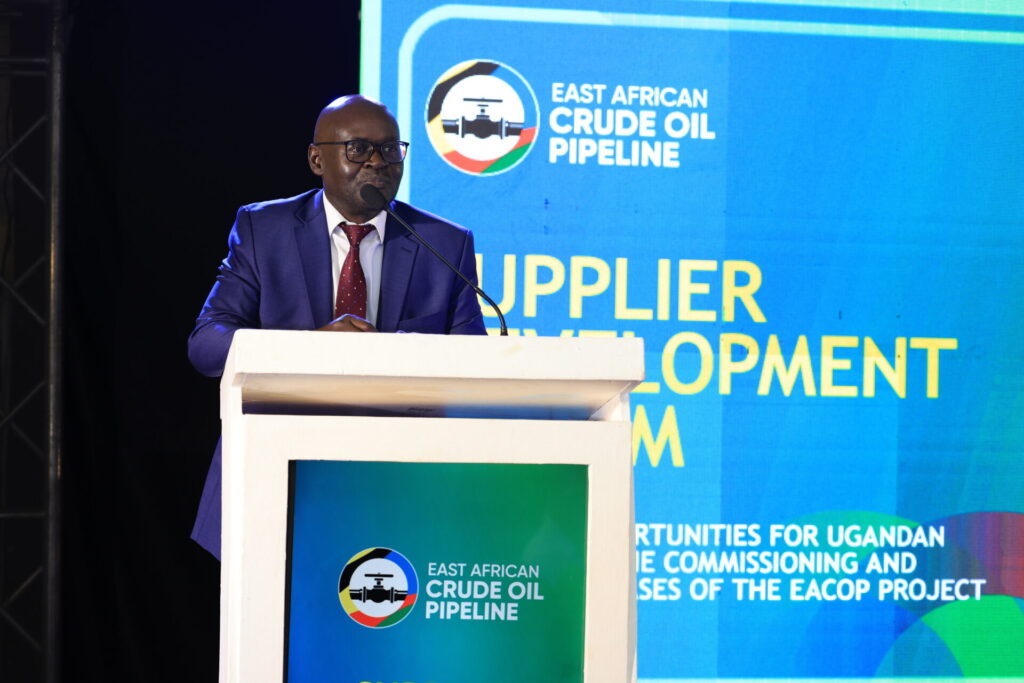
The recent Supplier Development Forum organised by the East African Crude Oil Pipeline (EACOP) brought together key players in the oil and gas sector. Technicians, suppliers, trainers, regulators and contractors attended. The meeting was not routine. It was a platform for local enterprises seeking a place in the oil and gas value chain.
Oil and gas projects require heavy capital, technical expertise and strict global standards. These demands often push local suppliers aside. The forum changed that narrative. It placed local companies at the centre of discussions on manpower supply, transport services, piping, electrical works, engineering, inspection and training. The focus shifted from exclusion to preparation.
The platform also created direct engagement between international oil companies, Tier 1 contractors, regulators and local businesses. This interaction gave clearer guidance on procurement plans, compliance rules and technical standards. Smaller enterprises often lose out due to limited access to such information. When suppliers understand requirements before tenders are announced, they compete better.
John-Bosco Habumugisha Habumugisha, EACOP’s deputy managing director, said, “Local companies should be ready to compete for every opportunity announced, if lost, use it to enhance skills and improve for the next bid”. He stressed that the goal is not only contract awards but also jobs for Ugandans working in local firms.
The forum also builds capacity. Collaboration with international companies helps local firms learn industry standards, safety rules and quality assurance systems. Industry leaders urged partnerships between local suppliers and Tier 1 contractors. These partnerships allow knowledge transfer and practical exposure. Such experience strengthens long-term competitiveness.
Through initiatives aligned with the Petroleum Authority of Uganda, supplier development efforts also guide businesses on certification and regulatory compliance. When local companies meet global benchmarks, they move from hopeful bidders to trusted partners.
Supplier forums also strengthen economic linkages. Oil projects create demand in construction, logistics, catering, ICT, transport, environmental services and finance. When small and medium enterprises understand upcoming opportunities, they join the wider project ecosystem. This ensures that more value remains within Uganda.
Projects such as EACOP are among the largest infrastructure investments in East Africa. They generate thousands of contracts across sectors. A well-prepared hotel can secure catering or accommodation deals. Transport firms can support logistics. The forum promotes transparency and simplifies procurement processes.
The platform also builds trust. Globally, the oil sector faces scrutiny over transparency and benefit sharing. In Uganda, oil development has attracted scepticism and protests, especially over environmental concerns linked to EACOP. Open dialogue between government, operators, contractors and local entrepreneurs improves accountability and reduces misinformation.
The forum reflects a long-term vision. Oil extraction may last about 25 years. The real legacy will depend on strengthened businesses, transferred skills and diversified industries. Supplier development platforms prepare firms not only for oil contracts but also for regional and global markets.
For Uganda’s oil and gas stakeholders, continuous dialogue and transparency remain essential. The Supplier Development Forum is not just an event. It is a strategic tool that turns local content into real opportunity. If used well, it can drive inclusive and sustainable growth in Uganda’s oil sector.


