

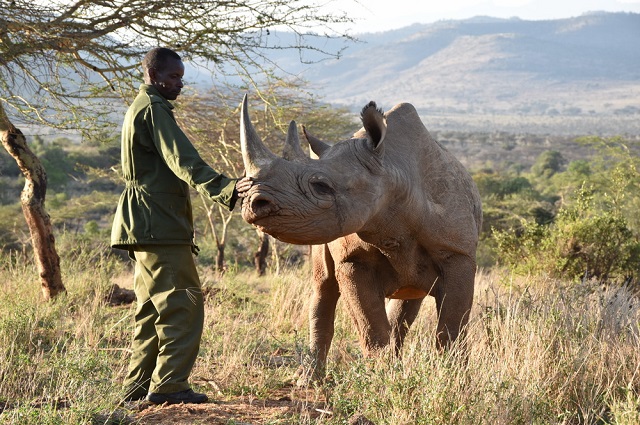
Forty billion Shillings is required to promote rhino tourism and help increase their numbers in the wild. The money will support the grand rhino restoration plan in the country, which involves various interventions.

Rhinos once roamed freely in Uganda, but by the early 1980s, they had completely disappeared from the wild because of poaching and the loss of their natural habitat. In 2006, six Southern White Rhinos were brought to Ziwa Rhino Sanctuary to start a breeding program. Nearly 20 years later, there are 48 rhinos in the country, 46 at Ziwa and two at the Uganda Wildlife Education Centre in Entebbe.
Among the interventions is moving some rhinos from Ziwa Rhino Sanctuary to Ajai Wildlife Reserve in West Nile and giving them more space to live and breed.
The State Minister for Tourism, Wildlife and Antiquities, Martin Mugarra, says moving rhinos to Ajai will put West Nile on Uganda’s tourism map. “Tourists will travel to see them, and this will create jobs for local people, from tour guides to hotel workers. Rhinos are part of our heritage and can help communities earn a living,” he said.
According to Mugarra, Uganda’s National Rhino Conservation and Management Strategy (2018–2028) aims to grow the rhino population by at least 5% each year. This will be done by protecting the animals, finding safer places for them to live, and teaching the public about the importance of conservation.
UTB Chief Executive Officer, Juliana Kagwa, says protecting wildlife is also key to keeping visitors coming to Uganda. “Many travellers choose Uganda because of its natural beauty and animals. If we take care of these resources, they will continue to bring income for the country,” she said.
According to Musinguzi, the mine will be used in expanding rhino habitats, building strong fences, setting up water points, and preparing vegetation at Ajai Wildlife Reserve so the animals can live there safely. “It will also tighten security by hiring and training armed rangers, installing cameras and other tools to stop poachers,” Musinguzi noted.
Ajai Wildlife Reserve will receive 20 rhinos from Ziwa as part of the first phase of the plan, while the remaining 28 will stay at Ziwa to keep breeding. He says preparations at Ajai are moving quickly.
He adds that protecting rhinos is costly and complicated. “They are targeted for their horns, which means we need the highest level of security. But they are also important for keeping the balance of nature and attracting visitors to Uganda.”
He emphasized that the naming ceremony is not just a one-day event. “It is the start of a long-term commitment to rhino conservation. With enough support, Uganda can make sure these animals are here for our children and grandchildren to see.”


