

By Dr. Damiano Kato Abooki
We thank God for Ugandan churches. Every trading centre has churches. Every village hears prayer. Uganda is a God-fearing nation. Churches have done great work – they have prayed for the sick, buried the dead, comforted the broken, built schools, built hospitals. We respect that. This article is not attacking churches. It is a dialogue from a fellow believer who loves the church and loves Ugandan families.
WHAT WE ARE SEEING IN UGANDAN HOMES
In Kampala, Wakiso, Mukono, Mbarara, Gulu, Mbale, Masaka – many families are struggling to balance faith and family duties.
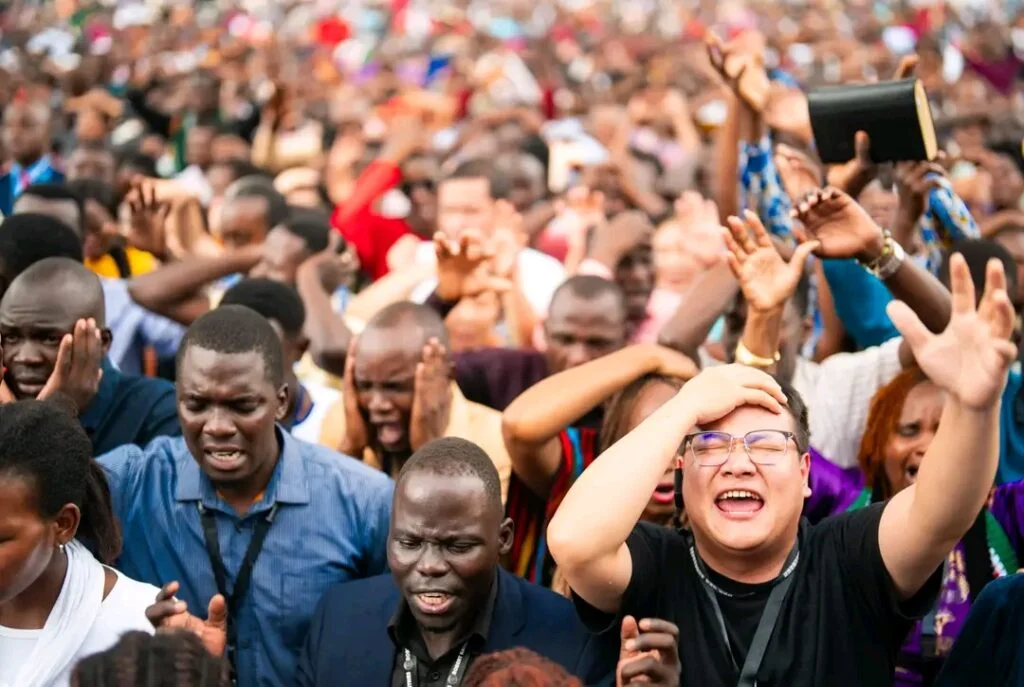
We have seen a pattern where some mothers attend overnight prayers (kesha) Monday, Wednesday, Friday, Sunday – four nights a week. They leave at 7pm and return at 3am or 6am. The husband who has worked the whole day in taxi park, bodaboda stage, construction, or office must now also become mother at night – cooking, washing, putting children to sleep.
We share some true stories we have heard, not to shame, but to learn together:
In Central Region: A husband in Nansana said his wife attends kesha in Kanyanya every Tuesday and Friday. Children aged 4 and 6 remain with him. He is tired and worried about his home.
In Western Region: A teacher in Mbarara said his wife attends choir and overnight prayers daily. He marks books at night while watching the baby.
In Northern Region: A bodaboda man in Lira said transport to kesha costs 10,000 per night, and family food money goes to transport.
In Eastern Region: In Jinja, neighbours heard children crying alone at night when mother had gone for overnight prayers. One night a charcoal stove almost caused fire.
These are not stories to condemn. They are stories to show that families need guidance on balancing.
CHURCHES HAVE DONE WELL, BUT WE CAN DO MORE – HOLISTIC MINISTRY
Our Ugandan churches have preached salvation very well. People are saved. But salvation is not only spiritual. True salvation must bring economic, social, political, cultural, and religious emancipation of the people we shepherd.
What does this mean?
1. Economic Emancipation: The people we shepherd need economic strength. If a woman spends all household money on daily transport to kesha, 10,000 per night, four times a week – that is 160,000 a month – and home has no food, no books, no school fees – is that economic emancipation? A church that teaches saving, working hard, budgeting, and using money for family first, and offering second, helps families become economically free. Our grandmothers in Buganda, Acholi, Ankole, Busoga prayed at 5am before digging, then worked hard in gardens. They were prayerful and economically productive.
2. Social Emancipation: The people need social stability. A home where mother is absent four nights a week, children call father “mama”, baby cries for mother at 1am – that home is socially breaking. A strong church produces strong families – good wives, good mothers, good husbands, good fathers who are present. Social emancipation means teaching that holiness is also managing your home well.
3. Political Emancipation: Our people need to understand laws and rights. KCCA and NEMA have laws – no loud noise after 10pm in residential areas. Students at Makerere, Kyambogo, IUEA need to read. Babies need sleep. Workers need rest before work. A church that respects the law and finishes loudspeaker prayers by 10pm in residential areas teaches political responsibility – that we are citizens who respect laws. That is political emancipation.
4. Cultural Emancipation: Our culture teaches respect and responsibility. Our grandmothers prayed at home at 5am, prayed while digging, went to church Sunday morning and returned before lunch to cook for family. They knew family is first church. Today we think holiness is being out every night. True cultural emancipation means returning to that wisdom – pray hard, but be home at night. God, Family, Work – In that order.
5. Religious Emancipation: True religious freedom means knowing God hears you everywhere. God is not only in a hall with loudspeakers till 4am. God hears prayers from bedroom, from kitchen, while cooking for children, from sitting room while watching Christian TV, Channel 44, LTV. Many families today pray from TV sometimes, pray from home, and attend church when convenient and agreed as family. That is modern, balanced, and deeply spiritual. One kesha a month, well planned with family agreement, is enough. The rest, pray from home. That is religious maturity.
MY FAMILY PRACTICE – A TESTIMONY OF BALANCE
In our own family, we do not attend all night prayers every week. We pray from TV sometimes. We pray from home. We attend church when it is convenient and agreed as family. This is not being less spiritual. This is being responsible.
– It protects us: Pastors cannot say we are against prayer. We pray, but responsibly from home when convenient.
– It is relatable: Many Ugandan families do this – pray from TV, radio, phone.
– It is modern: TV prayers, online prayers, YouTube sermons, home prayers – God is everywhere.
– It keeps home strong: When we pray from home, our children see us and learn.
We are not condemning kesha. Kesha is good when done once a month with family agreement. We are saying: Pray from TV sometimes, attend when convenient, family first.
A HUMBLE REQUEST TO OUR CHURCH LEADERS
We respectfully request our pastors and church leaders to consider:
1. Reduce overnights to one major kesha a month, not four a week, to allow mothers and fathers to be home. Daytime services – morning glory, afternoon service – allow people to return before dark.
2. Teach balanced message: That women should respect husbands and manage homes well – that is Bible. Ephesians 5 and 1 Timothy 3 teach family management as qualification for faith.
3. Keep time and respect law: Finish night prayers by 10pm in residential areas. Respect NEMA and KCCA laws. Love your neighbour by not keeping loudspeakers till 4am.
4. Teach financial responsibility: Do not drain poor families with daily contributions. Teach saving, budgeting, school fees first.
5. Teach holistic emancipation: Visit homes. Teach not only “Receive! Receive!” but also how to save, how to work, how to keep marriage, how to raise children, how to be good citizens who respect law. A church that builds big hall while members’ homes break is building church and destroying family.
TO FAMILIES – A GENTLE ENCOURAGEMENT
To our sisters and mothers: Your first church is your home. One kesha a month is enough. Agree with your husband. Do not leave babies alone. Daytime is better. Night is for family.
To our brothers and fathers: Support your wives to pray, but also agree together on days for kesha. Talk with LC1, pastor, elders before home breaks.
CONCLUSION – FOR UGANDA TO BE STRONG, HOMES MUST BE STRONG
Uganda will not be strong because we have many overnight prayers alone. Uganda will be strong if we have strong homes AND strong churches working together.
Strong homes produce strong children. Strong children produce strong nation.
Churches in Uganda must build both big halls AND strong homes. That is holistic ministry – economic, social, political, cultural, and religious emancipation of the people we shepherd.
Let us teach our daughters and sons: Pray hard, work hard, be home at night, manage your home first. That is true salvation.
God, Family, Work – In that order.
May God bless Ugandan churches and Ugandan homes.