

By Magara Darious

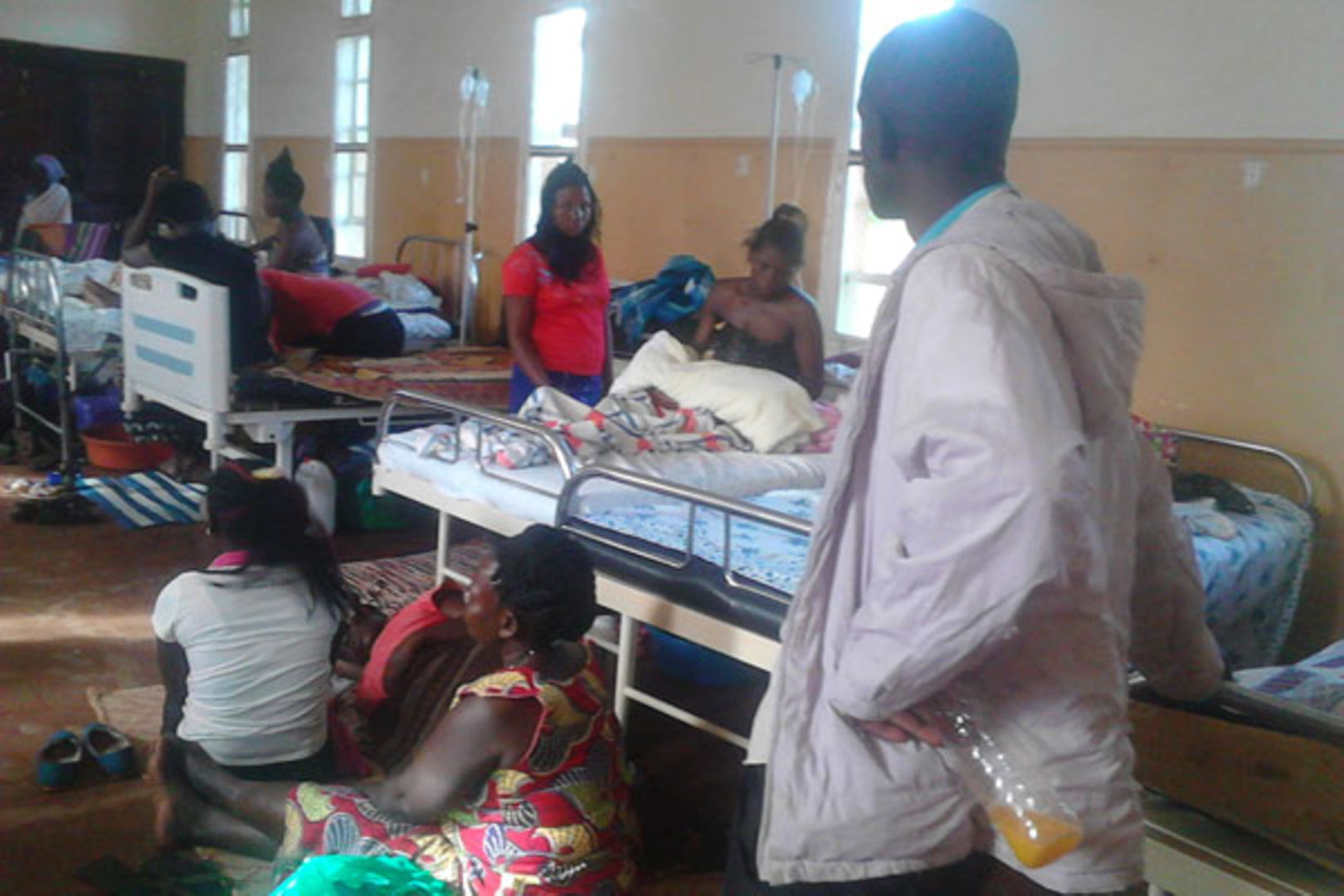
Health officials in Masindi district, located in Western Uganda are expressing deep concerns over the increasing trend of self-medication and the unregulated use of herbal remedies among residents saying the alarming pattern is jeopardizing public health, with many patients abandoning prescribed treatments prematurely.
This worrying pattern, where patients fail to complete their prescribed treatment courses, is raising alarms about the potential for increased disease resistance and the spread of untreated illnesses.
Recent observations from the Masindi District Health Office reveal a significant decline in the number of patients who complete their prescribed medication courses.
Mr. Mudu Michael, the district’s health educator said out of every ten patients, only six are completing their doses and this trend is not only worrisome but poses severe health risks.
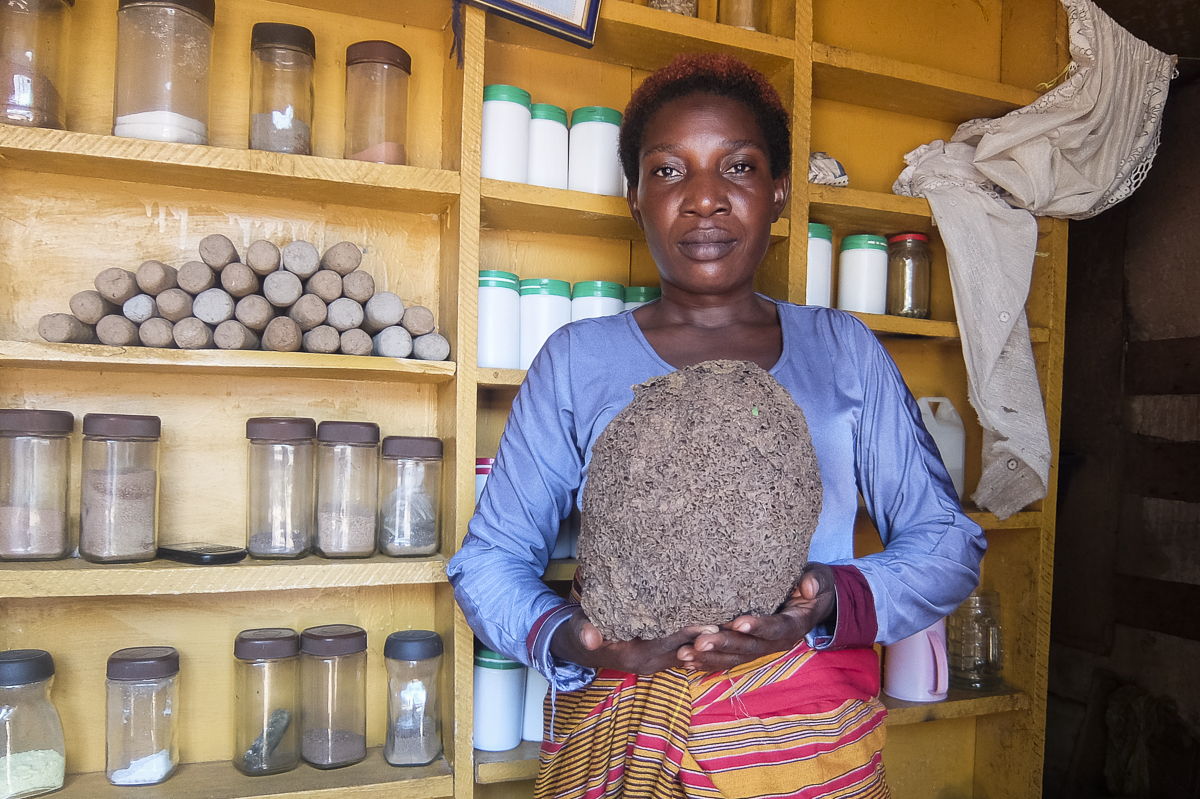
Mr Mudu says, Herbal medicine has long been intertwined with African traditions and cultural practices. While certain herbal remedies have proven benefits, the unregulated use of these treatments can be perilous.
“There are dangers in the use of unregulated herbal medicine and self-medication, without proper guidance, individuals risk exacerbating their conditions or introducing new health complications” Mr. Mudu warned. ”
Mr. Brian Mugisha, the Assistant District Health Officer says patients, especially those in rural areas, often discontinue their treatments upon noticing slight improvements.
“Patients mostly in rural areas abandon drugs after small improvement and most of them resort to herbal remedies or completely abandon treatment after minimal progress.” Says Mr. Brian Mugisha.
Mr. Brian notes that such premature cessation of treatment can lead to drug resistance, recurrence of ailments, and even more severe health complications.
Escalating Infections and Health Risks
The implications of this trend are profound. According to Mr. Brian Mugisha, the Assistant District Health Officer says the rise in self-medication and unregulated herbal use is escalating infections, particularly severe coughs and headaches.
“This is risky in escalating infections, mostly in severe cough and headache, Incomplete treatments can allow pathogens to adapt, making them harder to eliminate in subsequent treatments as the unchecked use of herbal remedies can interact adversely with prescribed medications, leading to unforeseen side effects.” Says Mr. Mugisha.
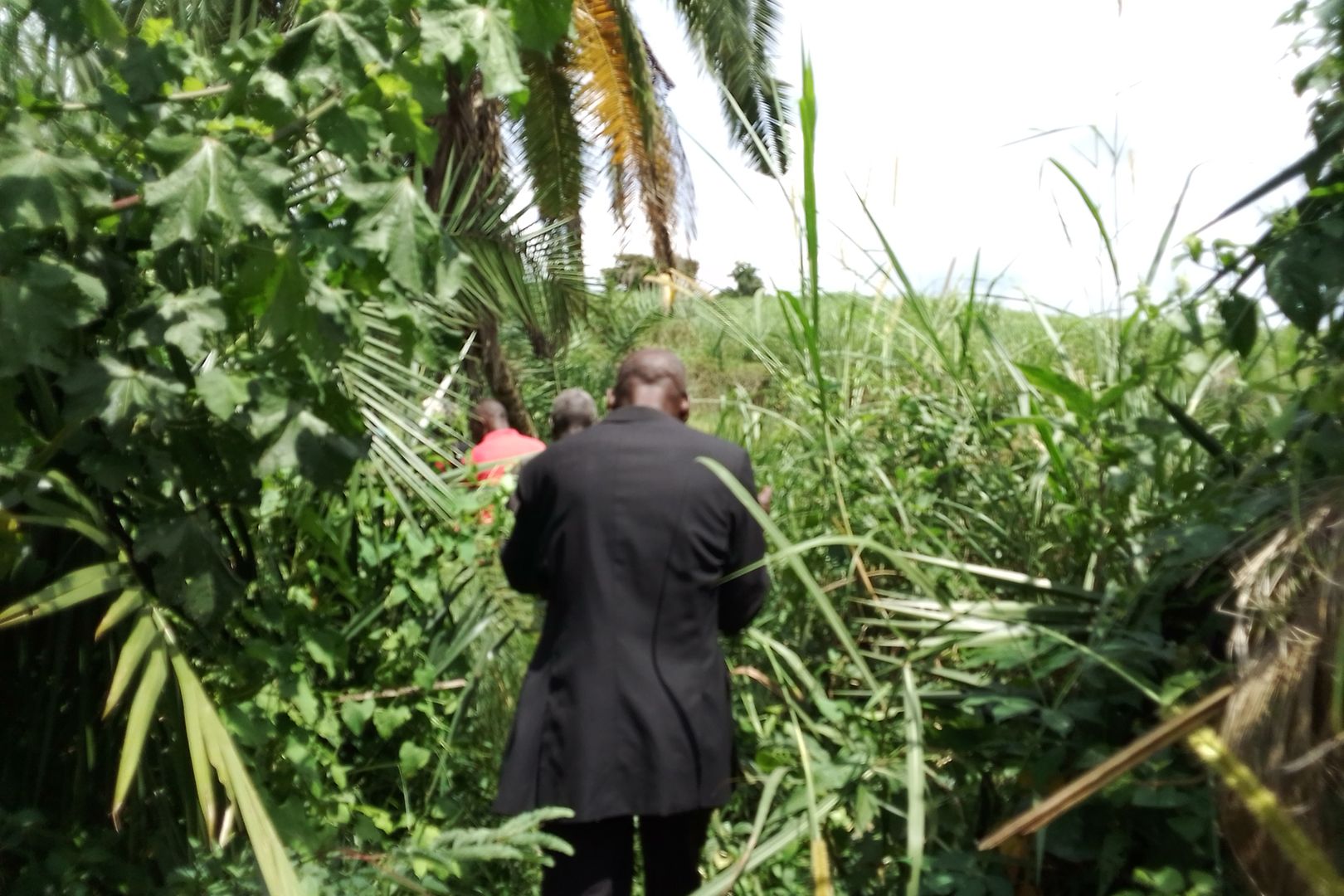
While health officials are urging residents to adhere to prescribed treatments, underlying infrastructural challenges cannot be ignored as many residents live miles away from the nearest health facilities and sometimes these drugs are insufficient as most governmental health centres run short of drugs perennially.
Mr. Kutegeka Milton, the L.C 3 Chairperson of Kigulya Division, says people in his area are turning to herbal remedies due to the long distances to health facilities among other factors.
“Health centers are very far, requiring us to move over 8 miles, which is too distant. Eventually, people resort to herbal medicine.” says Mr Kutegeka.
According to Mt Kutegeka, the arduous journey to health centers, coupled with potential financial constraints, makes self-medication and herbal remedies more appealing, despite the risks.

Mr William Muhereza a patient who resorted to herbal medicine after failing to complete a dose says, he could not afford to 30,000 for a dozen of coatem which prompted him to turn to local herbs.
Mr. Muhereza says while educating the populace about the dangers of self-medication and unregulated herbal use is crucial, it’s equally important to improve healthcare accessibility.
A Ministry of health official who is based at the ministry in Kampala says herbal medicine maybe okay for patients to use but details of dosage, separating it from some cultural practices and hygiene concerns remain challenges to herbal medicines.
Health officials are considering outreach programs, mobile clinics, and community health education sessions to bridge the gap saying by bringing healthcare closer to the people and raising awareness about the risks of current practices, there’s hope for a positive change.


