


Ugandan President Yoweri Museveni has revealed an unexpected health precaution at Statehouse, announcing that he has abandoned ceramic plates due to fears of harmful chemicals.

Speaking in a radio interview in Mbale on Friday, the President explained that certain substances in ceramic dishes could pose serious health risks, including cancer.
“I’m moving away from ceramic plates,” Museveni said. “I’m going back to wooden plates. They are safer and free from all those chemicals that can harm you.” The decision follows warnings from his staff, who highlighted the potential dangers of the “poisonous plates” used at Statehouse.
Museveni praised traditional Ugandan wooden utensils, describing them as chemical-free, environmentally friendly, and healthier for daily use. The move reflects his growing concern about modern consumer products and the hidden risks they can carry.
Ceramic dishes, long a staple in homes and official residences, can sometimes contain toxic substances such as lead, particularly if improperly manufactured or glazed. Food safety experts have warned that these toxins can leach into meals, creating long-term health risks.
Speaking during a radio interview in Mbale on Friday, Museveni explained that his staff had raised concerns about the “poisonous plates” at Statehouse. He said the warnings prompted him to rethink the utensils used in his daily meals for the sake of his own safety.
“For me, I am moving away. I am going back to the wooden plates,” Museveni said. “The wooden plates are better than those poisonous plates, which are full of all sorts of chemicals.”
The President emphasized that traditional Ugandan wooden utensils are safer and free from harmful substances. He described the shift as a personal health measure, reflecting growing awareness of modern consumer products and their hidden risks.
While ceramic plates have long been a standard choice in many homes and official residences, Museveni’s revelation sheds light on potential dangers in everyday kitchenware. Experts have warned that certain types of ceramic or glazed dishes can contain lead or other toxins, which may leach into food if not properly manufactured.
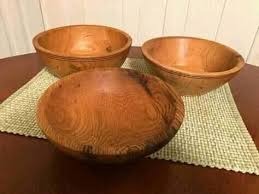
Museveni’s decision highlights a return to traditional practices, which he believes are healthier and more sustainable. Wooden plates, handcrafted by local artisans, have been used in Uganda for generations and are considered chemical-free and environmentally friendly.
The President’s comments have sparked discussions among Ugandans, with many expressing interest in exploring safer alternatives for their homes. Some have praised Museveni for prioritizing health and encouraging the revival of traditional crafts.
Statehouse staff reportedly supported the change, helping ensure that all meals served to the President are now prepared on wooden plates. This move is seen as a personal health precaution rather than a nationwide policy, though it may inspire others to reconsider the utensils they use daily.
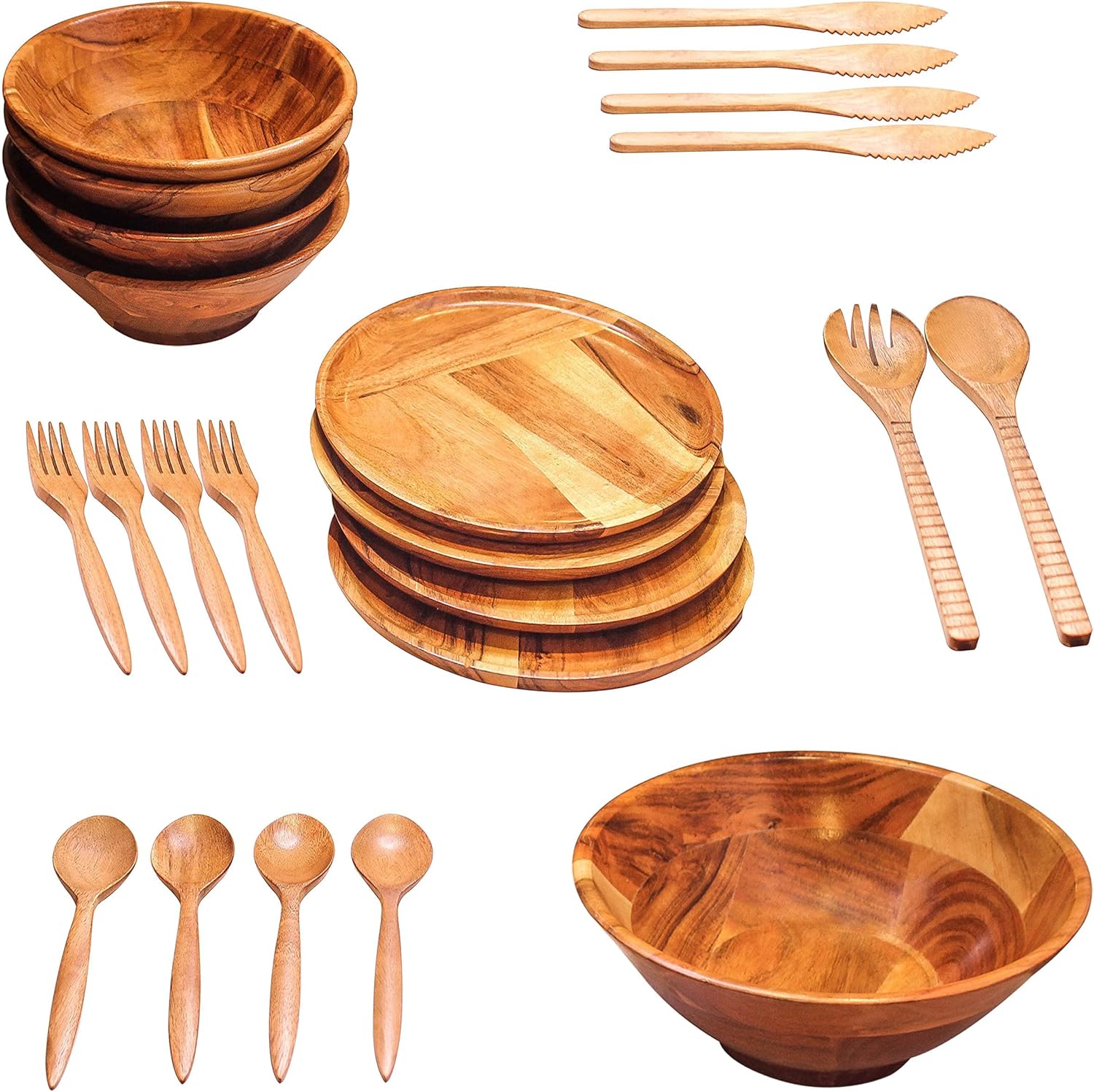
Museveni also noted that awareness of such health risks should extend beyond Statehouse. He encouraged citizens to be mindful of the materials used in their kitchens, especially in items that come into direct contact with food.
As the discussion around food safety and traditional utensils grows, Museveni’s choice serves as a reminder of the importance of balancing modern convenience with health-conscious decisions. His return to wooden plates may inspire a broader appreciation for locally made, chemical-free kitchenware.


