



Tooro Kingdom restricts certain foods from the Karuzika Royal Palance during the coronation of King Edward Rukidi Nyabongo I because they violate royal cultural practices, taboos, and palace rituals.
Prohibited Foods and Reasons
- Pigs and Pork: Forbidden due to deep-rooted traditional customs and ritual restrictions associated with the royal grounds.
- Chickens/Hens: Barred because traditional palace rules consider poultry unsuitable for consumption or entry into the royal precinct.
- Goats and Goat Meat: Excluded under long-standing royal dietary taboos.
- Sweet Potatoes and Cassava: Restricted because these root crops carry specific cultural meanings that conflict with palace protocols.
- Beans: Prohibited as they are culturally unacceptable for use or contribution during sacred royal ceremonies at the palace.
Palace ritualists note that these items hold specific cultural meanings and ritual prohibitions that make them unfit for the palace, though detailed explanations of the ancient traditions are kept restricted. Organizers also note that food guidelines help streamline contributions and respect the dietary needs or beliefs of guests.
Although the above foods are prohibited at the Palace some Batooro enjoy them in their homes, things such as Pork, chicken meat are so special in most homes in Uganda.
Why the rejected foods?
Prohibited Foods and Livestock
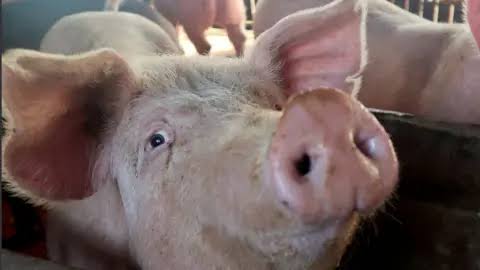


The following items are strictly banned from entering the Karuziika Palace grounds during the coronation period:
- Animals: Pigs, chickens (hens), and goats.
- Crops: Sweet potatoes, cassava, and beans.
Deep-Seated Cultural Reasons for the Rejections
- Spiritual Purity and Palace Rituals: According to palace ritualists, the restrictions are strictly based on sacred practices observed within the royal household. Specific foods carry distinct cultural meanings or spiritual undertones that are considered incompatible with the highly sacred, cleansing rituals required to usher in a new king.
- Pastoralist vs. Agrarian Symbolism: The Tooro monarchy (historically linked to the Babito dynasty and the legacy of the Bachwezi) is deeply rooted in cattle-keeping culture. The ultimate royal food is milk and beef—symbolizing wealth, purity, and the high status of the monarch. Common agrarian staples like sweet potatoes, cassava, and beans are historically viewed as ordinary or peasant foods, which are deemed unfit to mark the high dignity of a royal enthronement.
- Animal Totems and Taboos: Certain livestock, particularly pigs, are viewed as culturally unclean in many traditional Great Lakes kingdoms, while chickens and goats have specific historical associations with ordinary household life or specific clan totems. Bringing them into the core palace grounds violates the spiritual boundaries of the Karuziika.
- Modern Guest Inclusivity: Beyond ancient custom, the coronation committee also noted that excluding items like pork and certain meats respects the diverse religious beliefs and dietary needs of the high-profile international and local guests invited to the event.


