
A Biblical and Theological Reflection on the Commercialization of Ministry and the Sacred Responsibility of Shepherding God’s People
By Rev. Dr. Samuel Elijah Kibirige
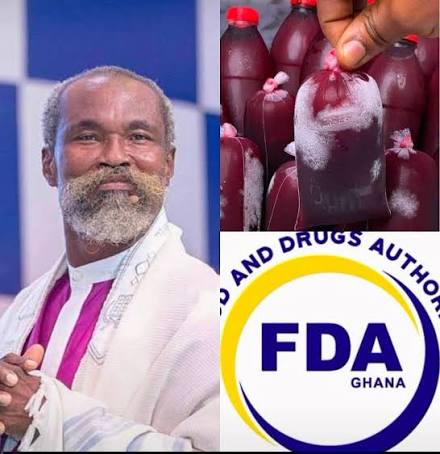
The recent reports concerning Ghanaian preacher Prophet Stephen Adom Kyei-Duah, who allegedly warned that church members who fail to purchase his ministry’s products could be denied access to worship, raise a deeply troubling question about the direction of contemporary Christian ministry.
When did purchasing a pastor’s merchandise become a qualification for entering the house of God?
This question goes beyond one preacher or congregation. It challenges the African Church to examine the growing relationship between spiritual authority, commercial interests, financial accountability, and the sacred calling of pastoral ministry.
Let us be clear: there is nothing inherently unbiblical about pastors engaging in legitimate business or churches undertaking income-generating activities to support their ministries. Scripture recognises the dignity of work, responsible stewardship, and the material needs of those who labour in ministry (1 Corinthians 9:13-14; Acts 18:3).
However, when purchasing products becomes a condition for accessing worship, the sacred responsibility of shepherding God’s people risks being reduced to a commercial transaction.


Jesus confronted the misuse of the temple when He declared:
“My house shall be called the house of prayer; but ye have made it a den of thieves.” Matthew 21:13 (KJV).
His rebuke was directed at practices that had corrupted the sacred purpose of worship. The principle remains profoundly relevant: religious activity must never become an instrument through which spiritual authority is exploited for financial advantage.
The Apostle Peter similarly instructed church leaders:
“Feed the flock of God which is among you … neither as being lords over God’s heritage, but being ensamples to the flock.”1 Peter 5:2-3.
These words remind us that pastoral authority is a divine stewardship, not a licence for personal enrichment or domination.
A shepherd is called to nurture, protect, guide, and serve the flock; not to make its spiritual belonging dependent upon purchasing his products.
Indeed, Paul teaches that Christian giving should arise from willing conviction rather than compulsion (2 Corinthians 9:7). Financial support for ministry should therefore be cultivated through biblical teaching, transparency, trust, and responsible stewardship, never through intimidation or threats of exclusion.
But there is an even deeper theological concern.
What happens to the poor believer who sincerely desires to worship God but cannot afford the pastor’s merchandise? Has financial ability become a measure of spiritual worthiness?
James 2:1-9 strongly condemns favouritism based on wealth within Christian assemblies. A church that privileges purchasing power over spiritual fellowship risks undermining the very Gospel it exists to proclaim.
We must also distinguish legitimate church discipline, exercised according to biblical principles, from exclusion imposed to advance commercial interests. The two must never be confused.
The Church belongs to Jesus Christ. He purchased His people through His own blood (Acts 20:28). No minister, regardless of spiritual title, influence, or financial investment, should treat the congregation as a captive market.
This controversy should therefore provoke serious self-examination among those of us entrusted with Christian leadership.
Are we raising disciples of Jesus Christ or cultivating customers for religious enterprises? Are we shepherding God’s flock or commercialising their devotion?
The African Church urgently needs a renewed commitment to biblical integrity, theological understanding, ethical leadership, transparent financial stewardship, and institutional accountability.
Financial sustainability is important, but it must never become more important than the spiritual welfare and dignity of God’s people.
Equally, fairness demands that the preacher concerned be allowed to clarify the reported remarks. We must distinguish between statements attributed to an individual, their intended meaning, and practices that have actually been implemented.
Nevertheless, the biblical principle remains unmistakable: access to Christian worship must never be made conditional upon purchasing a pastor’s personal or ministry products.


The Church must remain a spiritual home where the poor encounter dignity, the broken receive compassion, the lost hear the Gospel, and believers are nurtured toward maturity in Christ.
When commercial interests begin to determine who is welcomed into worship, we must courageously ask whether the Church is remaining faithful to its divine mission.
The true measure of pastoral ministry is not how successfully a preacher markets products, accumulates wealth, or commands a congregation, but how faithfully that preacher reflects the character of Christ and serves the people entrusted to his care.
A shepherd must never forget that the sheep belong to the Chief Shepherd.
And perhaps the most searching question for every Christian leader is this:
If a believer has nothing financially to offer us, will that person still experience the same love, dignity, spiritual care, and welcome in our churches?
Our answer reveals much about the Gospel we preach and the kind of Church we are building.
“Feed the flock of God which is among you.”1 Peter 5:2.
Rev. Dr. Samuel Elijah Kibirige
Christian Minister/Scholar/Author/Family Advocate/
Transformative Community Development Practitioner
Good Shepherd Community Ministries (GOSHEM)